
Dakini Statues | Vajrayogini, Vajravarahi & Red Tara — Handmade in Nepal
Explore our collection of authentic Dakini statues, handcrafted in Patan, Nepal by master Newar artisans using the traditional lost wax sculpting method. This collection includes Vajrayogini statues, Vajravarahi statues, Kurukulla statues (also known as Red Tara), and Simha Mukhi statues — each cast in fine copper alloy with options including 24K gold fire gilding, antique finishes, gold hand-painted face details, and traditional Himalayan Buddhist ornamentation.
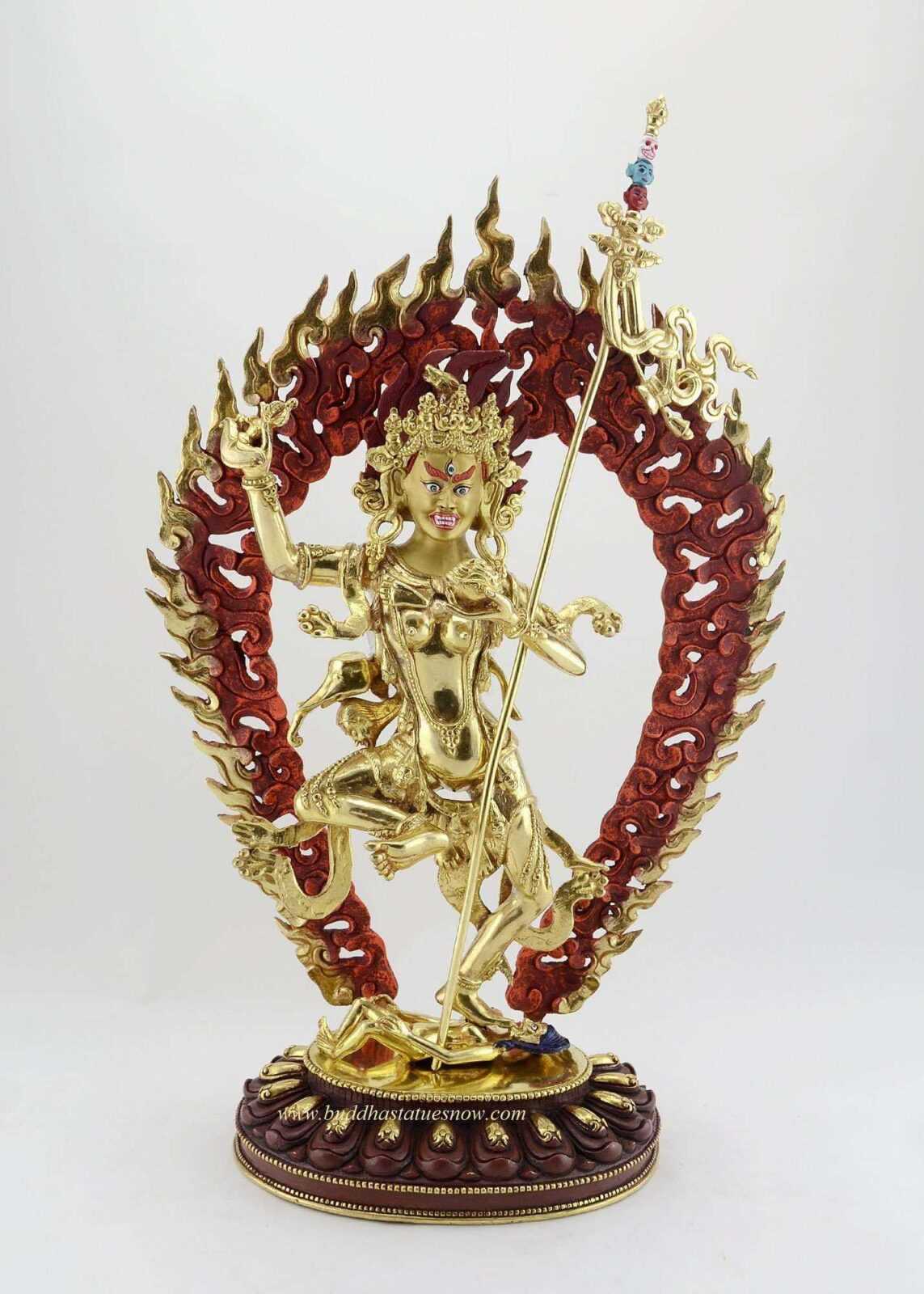
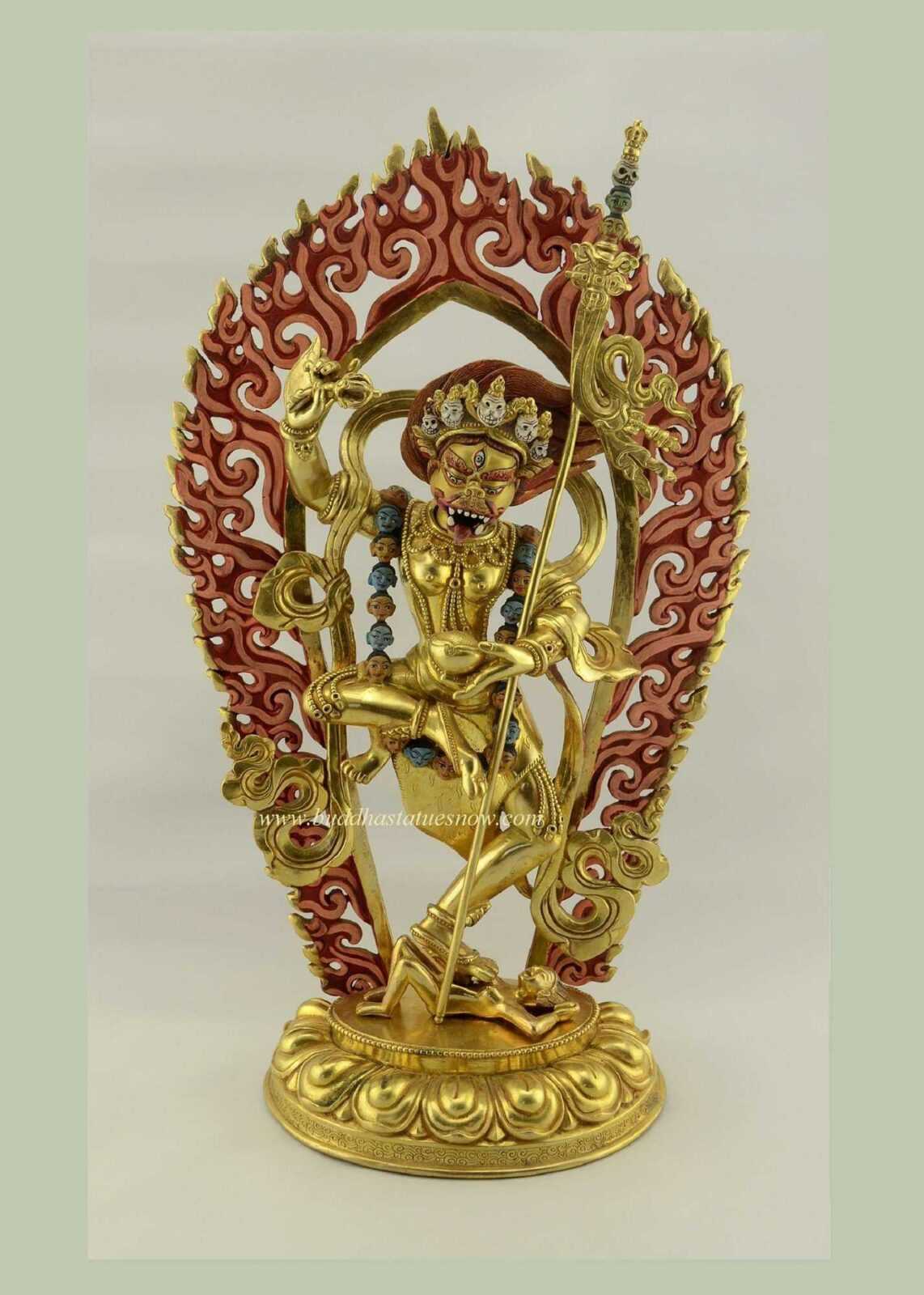
Dakinis (Tibetan: khandro — “Sky Goers” or more poetically “Sky Dancers”) are enlightened feminine beings in Vajrayana Buddhism — embodiments of wisdom, transformation, and the dynamic energy of awakened mind. Vajrayogini, the supreme Dakini of the Chakrasamvara cycle, is depicted standing in Naro Kacho form (reverse pratyalidha warrior stance), brandishing a curved knife (kartika) and skull cup (kapala), her body radiating the fire of Tantric realization. Vajravarahi — her wrathful form — is identifiable by the sow’s head rising above her right ear, symbolizing the uprooting of delusion at its root. Kurukulla (Red Tara) is shown dancing in a rainbow of red light, drawing beings toward liberation with her flower bow and arrow. Simha Mukhi, the lion-headed Dakini, is among the rarest and most powerful protector forms in all of Himalayan Buddhist iconography.
For centuries, Newar artisans in Nepal have created sacred Dakini statues for Tibetan monasteries and practitioners throughout the Himalayan region. Each statue in this collection is selected for iconographic accuracy, authentic craftsmanship, and spiritual significance. Browse the Dakini statues below.
Showing all 10 resultsSorted by popularity
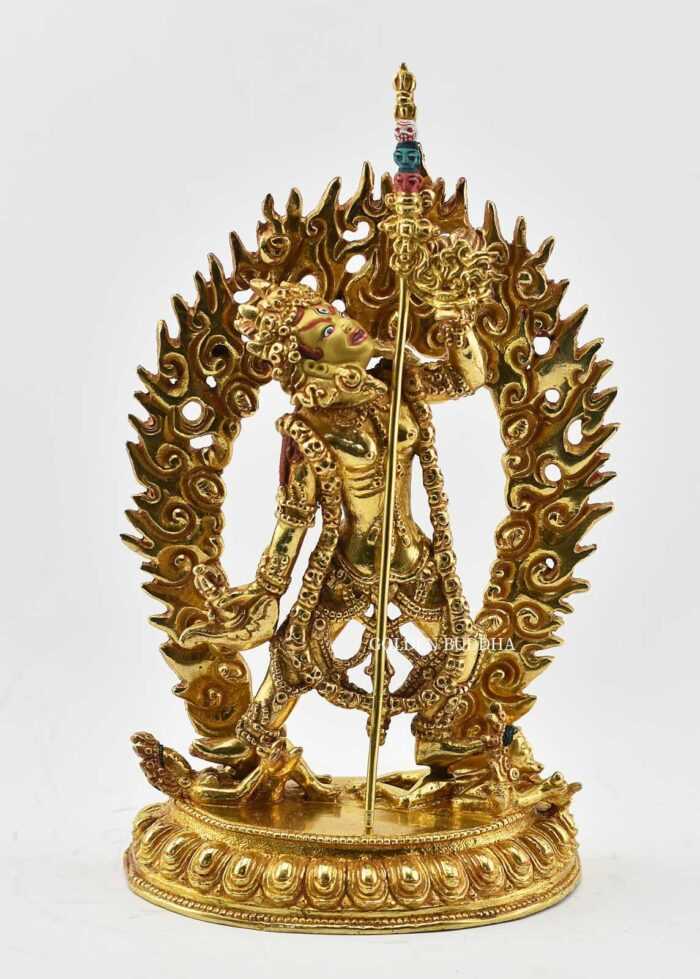
Tantric Vajrayogini Statue 9″ | Supreme Dakini, 24K Gold
Original price was: $1,299.00.$899.00Current price is: $899.00.Add to Cart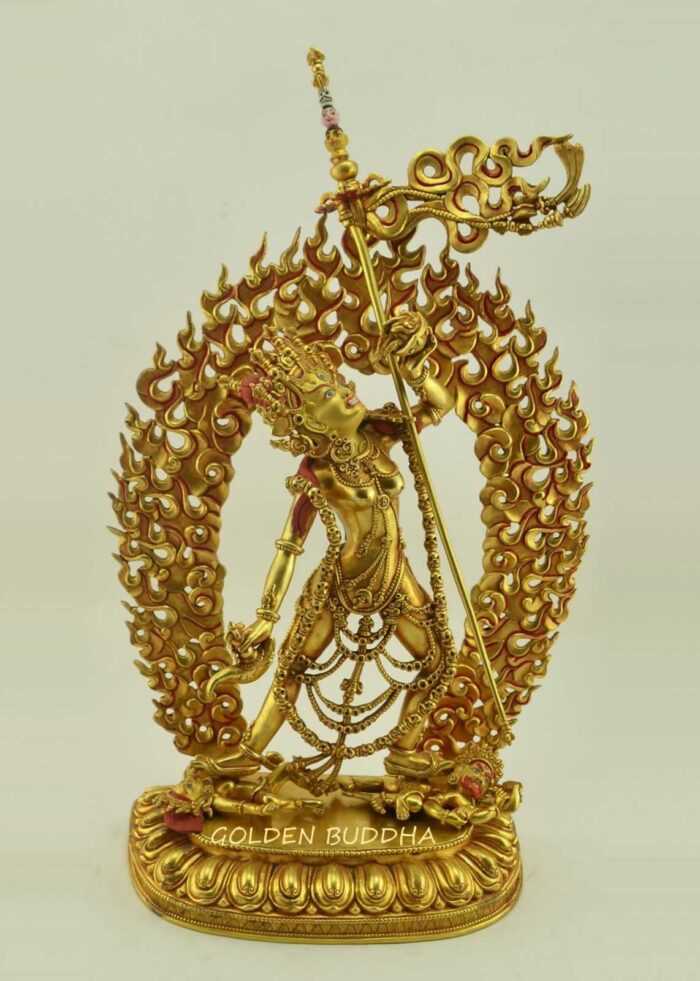
Masterpiece Vajrayogini Statue 19.5″ | Naro Kacho, 24K Gold Gilded
Original price was: $4,899.00.$3,699.00Current price is: $3,699.00.Add to Cart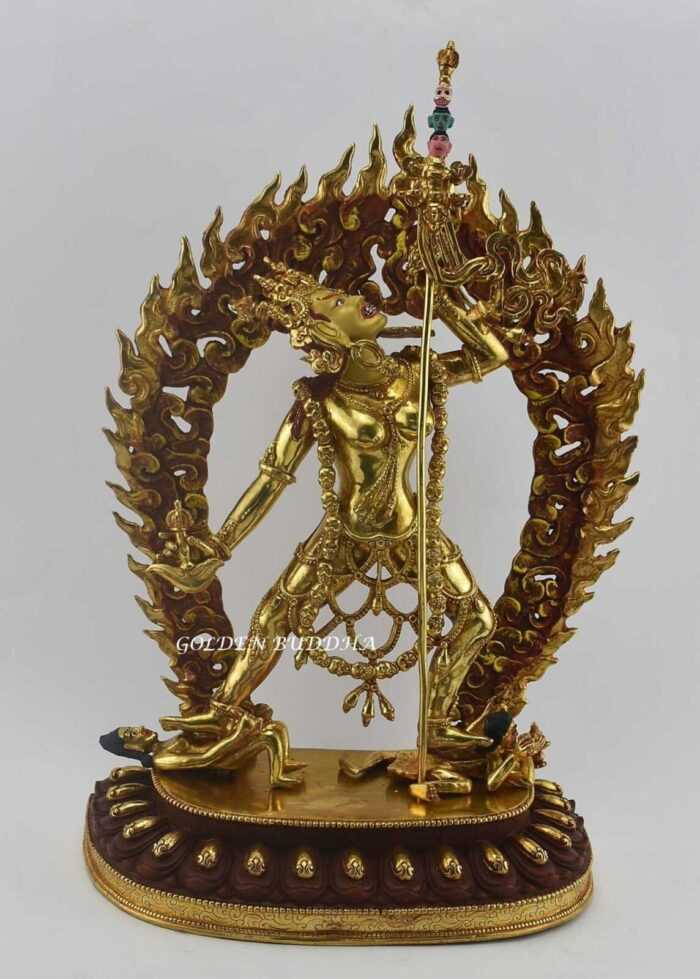
Vajrayogini Sculpture 15.5″ | Naro Kacho Form, 24K Gold Gilded
Original price was: $3,799.00.$2,599.00Current price is: $2,599.00.Add to Cart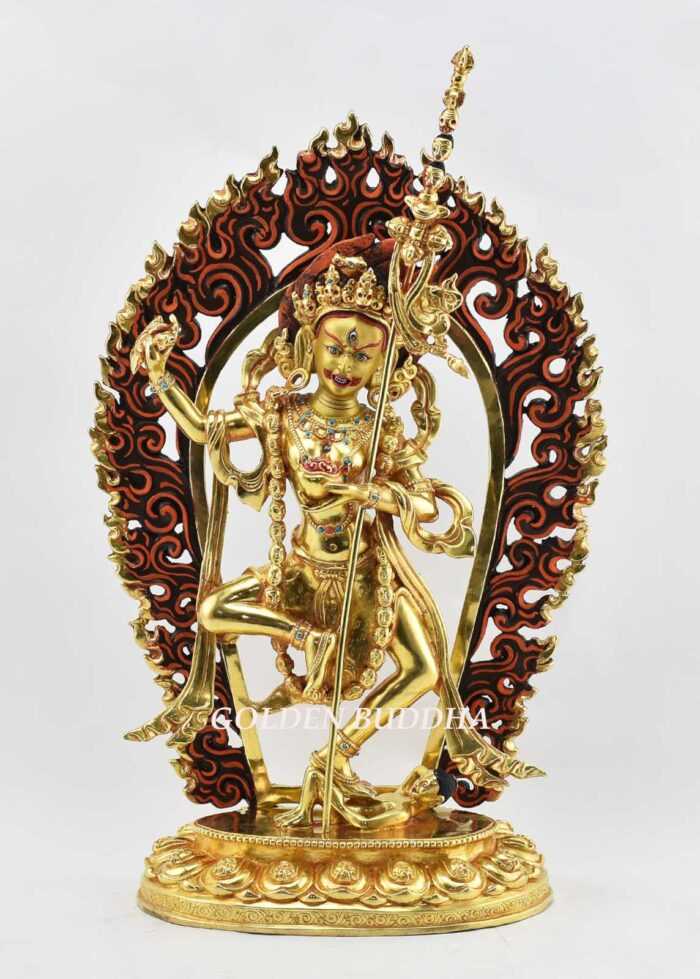
Masterpiece Vajravarahi Statue 15.5″ | Wrathful Vajrayogini, 24K Gold
Original price was: $5,699.00.$4,499.00Current price is: $4,499.00.Add to Cart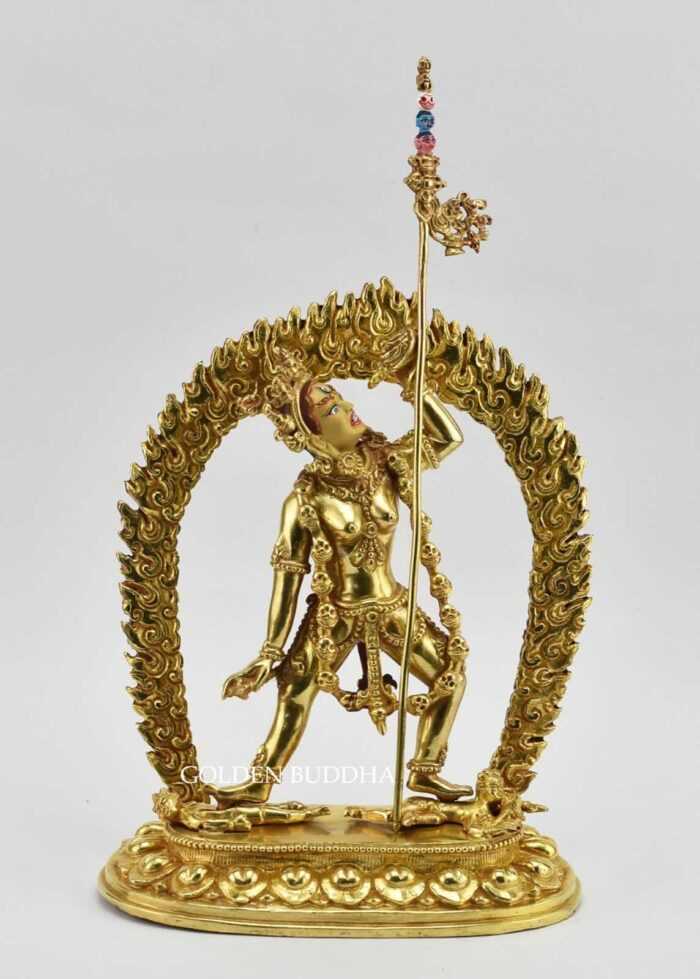
Tantric Vajrayogini Statue 7.25″ | Supreme Dakini, 24K Gold
Original price was: $1,299.00.$899.00Current price is: $899.00.Add to Cart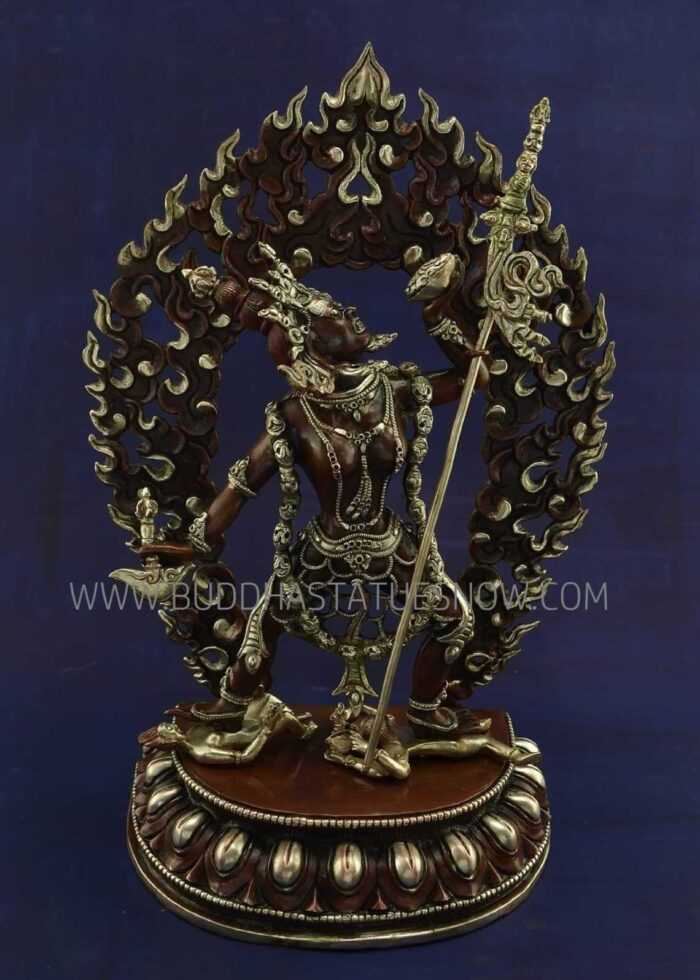
Antiquated Vajrayogini Statue | 14-Inch Silver Detail, Naro Kacho Form
Original price was: $2,599.00.$1,899.00Current price is: $1,899.00.Add to Cart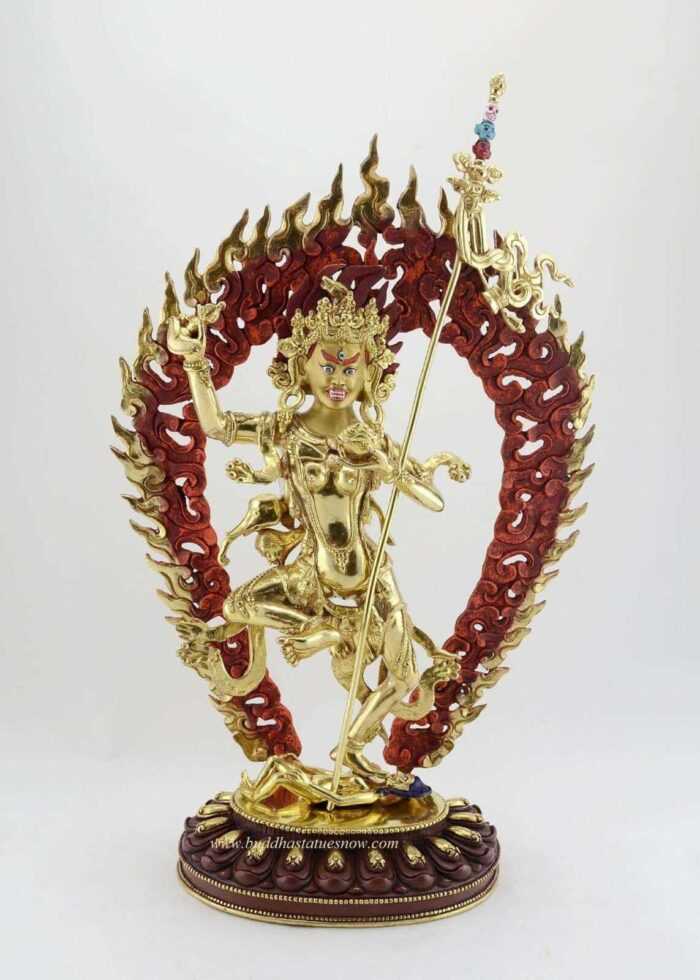
Vajravarahi Statue 16″ | Wrathful Vajrayogini, 24K Gold
Original price was: $3,799.00.$2,899.00Current price is: $2,899.00.Add to Cart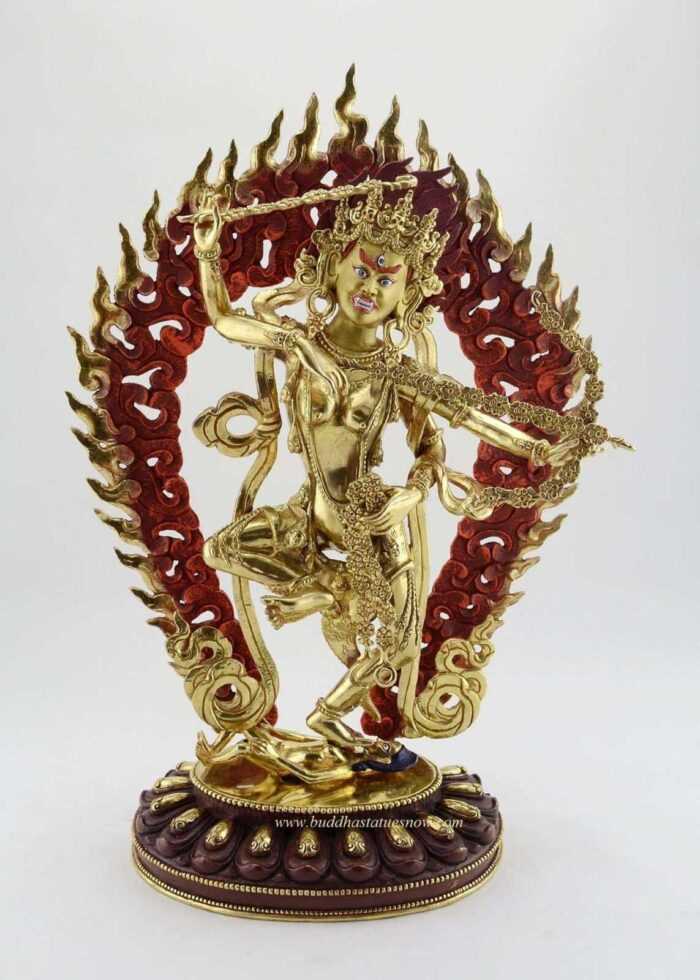
Dancing Red Tara Statue | 15-Inch 24K Gold Gilded Kurukulla
Original price was: $3,299.00.$2,399.00Current price is: $2,399.00.Add to Cart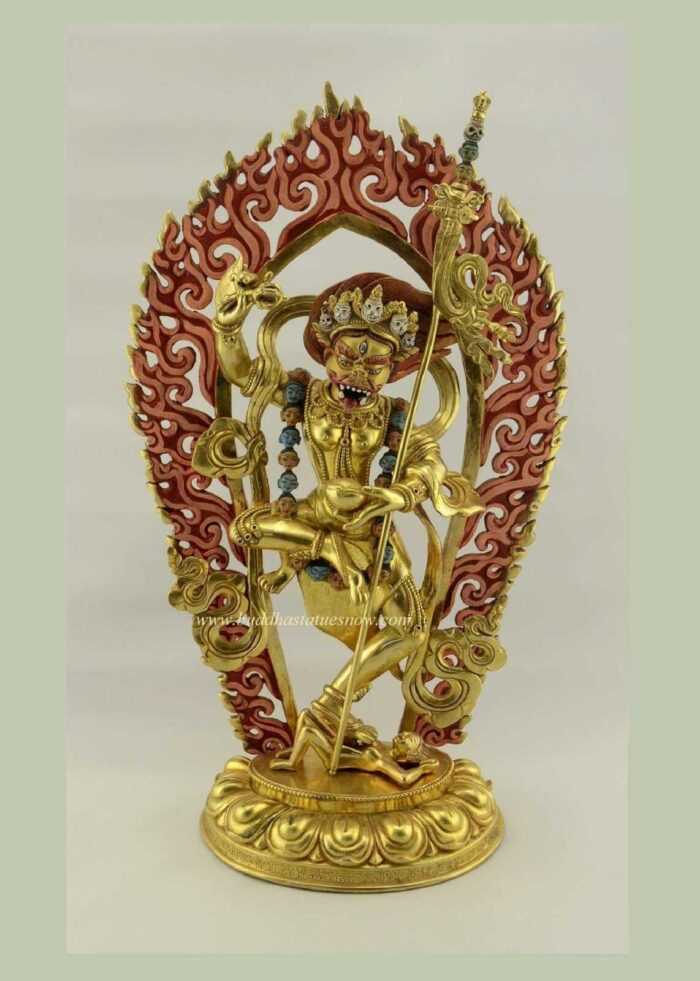
Simha Mukhi Dakini Statue | 15.5-Inch Lion-Headed Dakini | 24K Gold
Original price was: $3,299.00.$2,399.00Current price is: $2,399.00.Add to Cart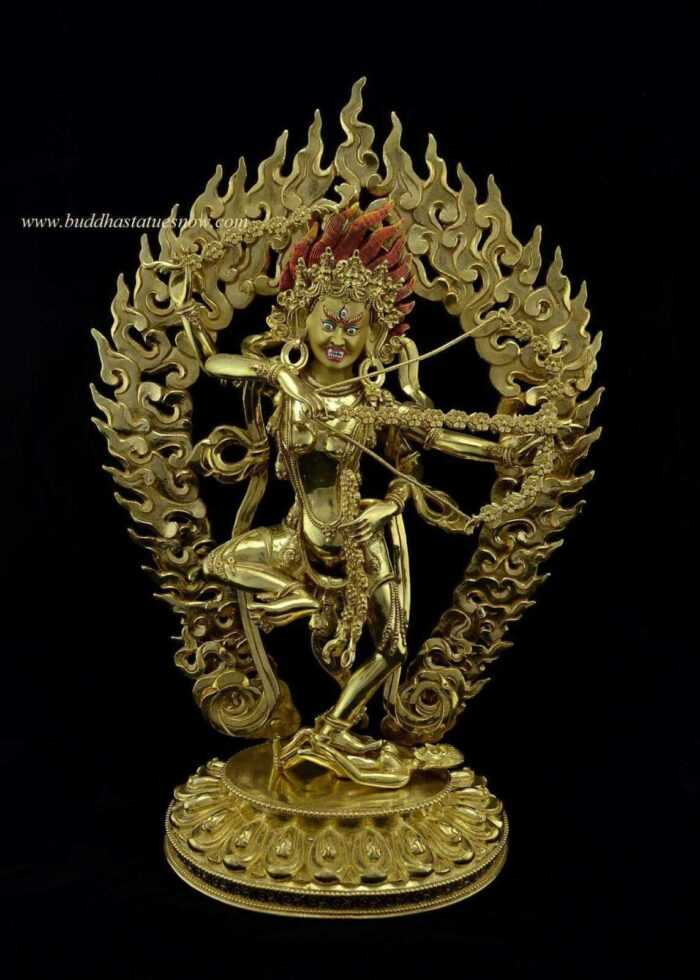
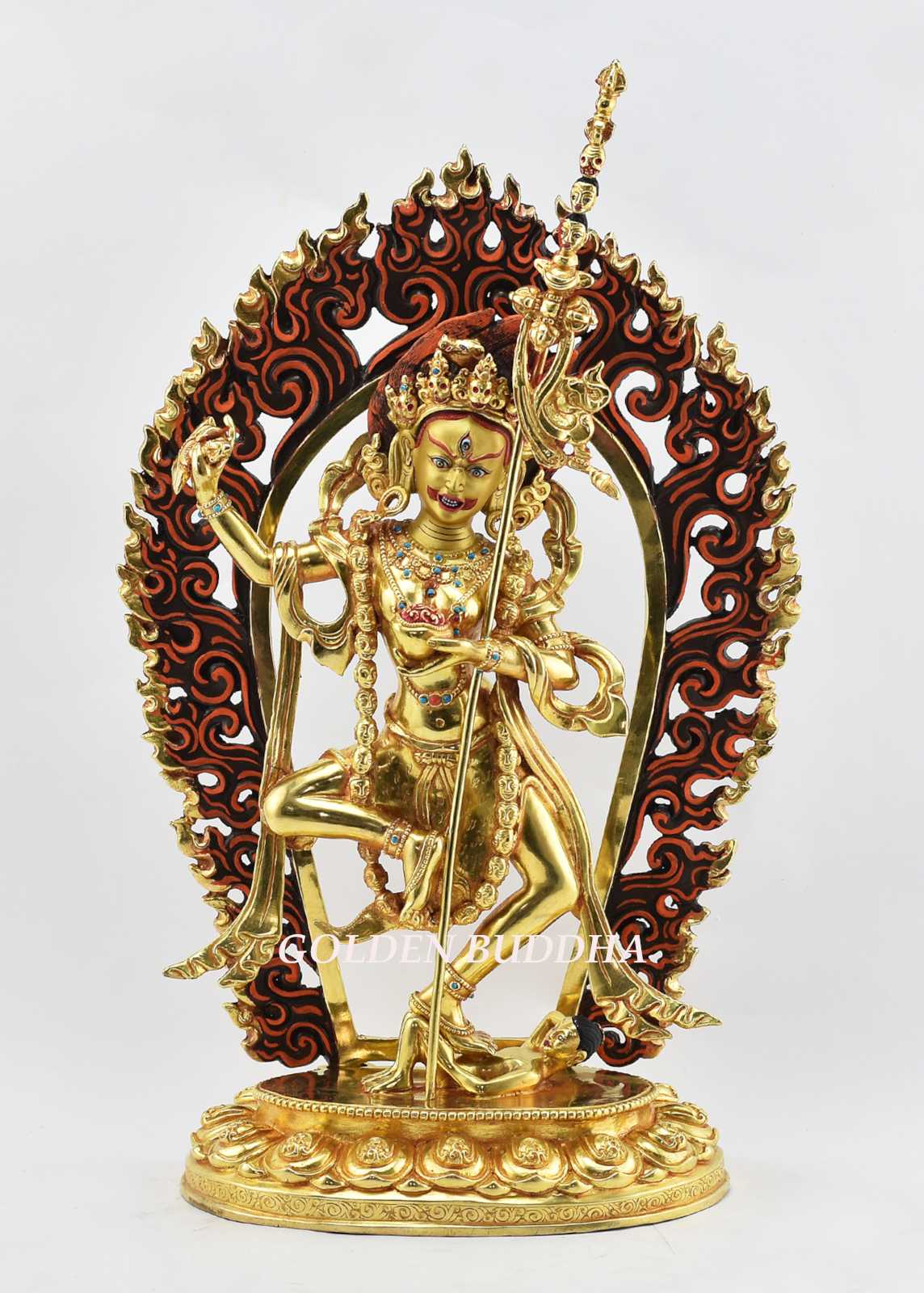
Kurukulla Statue | 15.75-Inch Gold Gilded Dancing Red Tara
Original price was: $3,299.00.$2,399.00Current price is: $2,399.00.Add to Cart





Dakini Statues — Symbolism and Meaning
Dakinis are enlightened feminine beings in Vajrayana Buddhism — embodiments of wisdom, transformation, and the dynamic energy of awakened mind. The word "Dakini" translates from Sanskrit as "sky-goer" (Tibetan: Khandroma), referring to their quality of moving freely through the space of awareness, unobstructed by conceptual fixation. Where Bodhisattvas represent the gradual path of compassion, Dakinis represent the sudden, direct energy of Tantric realization — a lightning-strike transmission that cuts through ordinary perception and reveals the nature of mind.
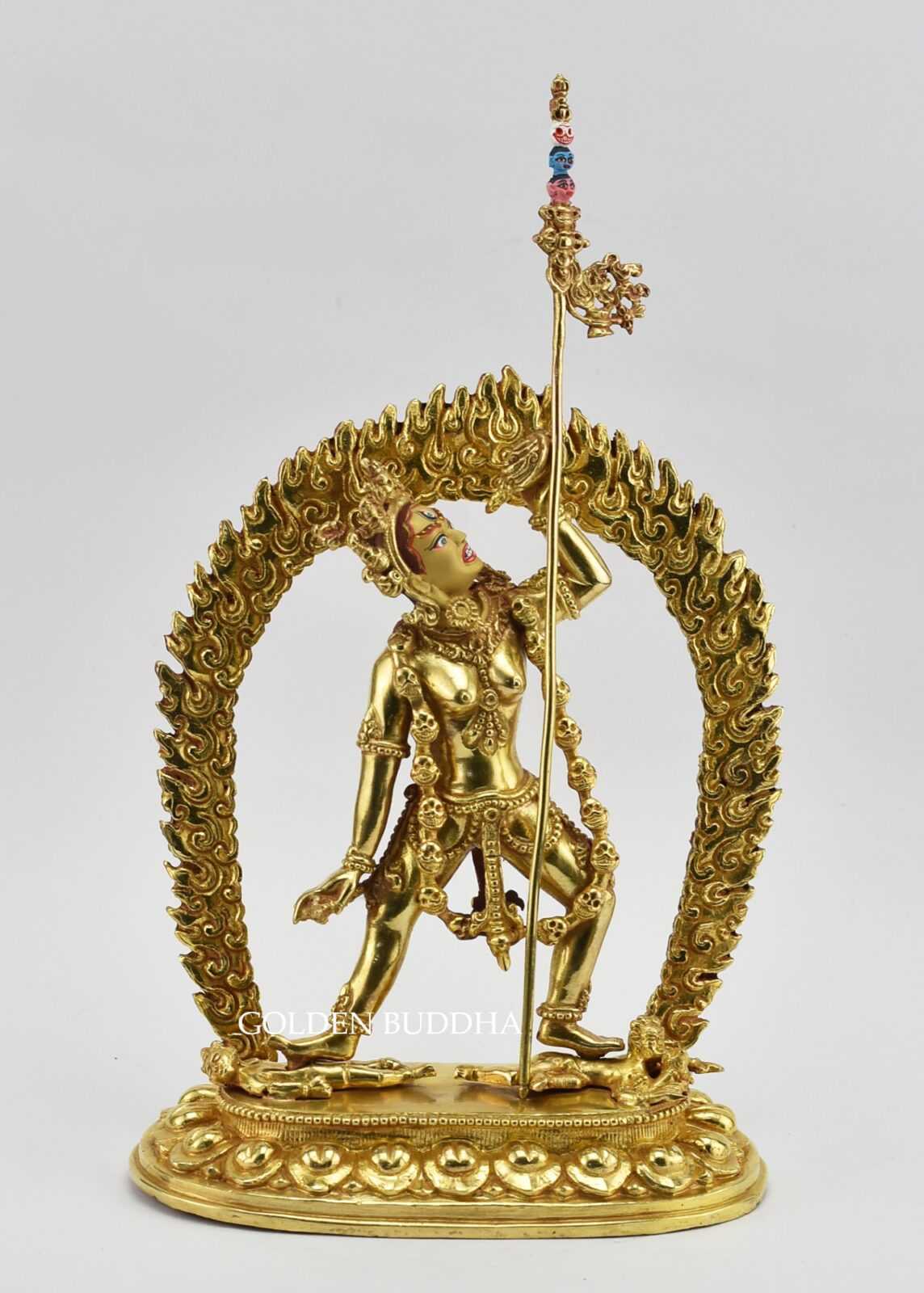
Vajrayogini is the supreme Dakini of the Chakrasamvara cycle and the most important Tantric female deity in Tibetan Buddhism. In the Naro Kacho form — first visualized by the Indian mahasiddha Naropa and transmitted through the Sakya school — she stands in the reverse pratyalidha warrior stance, looking upward into the Pure Land of the Dakinis. Her kartika (curved flaying knife) severs ego and conceptual thought; her kapala (skull cup) represents the transmutation of ordinary experience into bliss-wisdom; her khatvanga staff represents her inseparable union with Chakrasamvara; and her crown of five skulls signifies the transformation of the five afflictive emotions into the five wisdoms. She tramples on Kalarati and Bhairava, symbolizing her complete transcendence of samsara.
Vajravarahi — Vajrayogini's wrathful emanation — is immediately recognizable by the sow's head rising above her right ear, representing the uprooting of ignorance at its root. Kurukulla (Red Tara) dances in a ring of red light, drawing beings toward liberation with her flower bow and arrow — her practice closely related to that of Green Tara but specifically associated with magnetizing and transforming desire. Simha Mukhi, the lion-headed Dakini, is one of the rarest and most powerful protector forms in all of Himalayan Buddhist iconography, her lion's roar silencing delusion — a form iconographically related to the wrathful Dharmapala tradition.
Materials, Sizes, and Finishes
All Dakini statues in this collection are handcrafted in Patan, in the Kathmandu Valley, by master Newar artisans using the traditional lost wax casting method — the same technique used to supply Tibetan monasteries for over a thousand years. Each statue begins as a hand-carved wax model, cast in fine copper alloy, and finished by hand. No two statues are exactly alike.
Finishes range from full 24K gold fire gilding — where pure gold is permanently bonded to the copper surface and will never tarnish — to partial gilding with oxidized or antiqued copper for a more understated, aged look. Vajrayogini and Vajravarahi statues are also available with optional semi-precious stone embellishment (turquoise and red coral) in the crown and jewelry. Sizes in this collection range from compact 7–9 inch pieces suitable for a personal shrine through monumental 19.5 inch statues intended as centerpiece altar pieces for a Dharma center or monastery. Every statue is certified by the Department of Archaeology in Kathmandu before export, and consecration (rabne) at Sangye Choeling Monastery in Kathmandu is available upon request.
Frequently Asked Questions
What is a Dakini in Tibetan Buddhism?
A Dakini (Tibetan: Khandroma, "sky-goer") is an enlightened feminine being in Vajrayana Buddhism who embodies the dynamic energy of awakened mind — wisdom in its most direct, unobstructed form. Unlike Bodhisattvas, who represent the gradual path of compassion, Dakinis are associated with the sudden, transformative energy of Tantric realization. The three most important Dakinis in Tibetan Buddhist practice are Vajrayogini, Vajravarahi, and Kurukulla, all of which are represented in this collection.
What is the difference between Vajrayogini and Vajravarahi?
Vajrayogini and Vajravarahi are two forms of the same supreme Dakini. Vajrayogini is the primary form — depicted in the Naro Kacho tradition as a radiantly beautiful 16-year-old standing in the reverse pratyalidha (Naro Kacho) warrior stance, looking upward into the Pure Land of the Dakinis, wielding a kartika (curved flaying knife) and kapala (skull cup). Vajravarahi is her wrathful emanation, identifiable by the sow's head (varahi) rising above her right ear — symbolizing the uprooting of ignorance and delusion at its very root. Both forms are central to the Chakrasamvara cycle of Tantric practice.
What does the Vajrayogini statue iconography mean?
Every element of a Vajrayogini statue carries precise meaning. She stands in the Naro Kacho reverse pratyalidha stance, representing the reversal of ordinary perception. Her three eyes symbolize omniscient knowledge of past, present, and future. The kartika (curved knife) in her right hand severs ego and conceptual thought. The kapala (skull cup) in her raised left hand represents the transmutation of ordinary experience into bliss-wisdom. The khatvanga staff resting against her left arm represents her union with Chakrasamvara. Her crown of five skulls signifies the transformation of the five afflictive emotions into the five wisdoms. She tramples on Kalarati and Bhairava beneath her feet, symbolizing her transcendence of all worldly attachment.
What is Kurukulla (Red Tara) and what does she represent?
Kurukulla, also known as Red Tara, is a Dakini form associated with the power of magnetism (Tib: wangkur) — the ability to attract beings toward the Dharma, transform hostile circumstances, and open the hearts of others to compassion and wisdom. She is depicted dancing in a ring of red light, drawing beings toward liberation with her flower bow and flower arrow. Her practice is found in all four schools of Tibetan Buddhism and is particularly emphasized in the Nyingma and Kagyu traditions. A Kurukulla statue is chosen by practitioners working with attraction practices, opening of obstacles, and the transformation of desire into wisdom.
Who is Simha Mukhi and why is she considered rare?
Simha Mukhi (Sanskrit: "Lion-Faced One") is a lion-headed Dakini and one of the most powerful and iconographically rare figures in all of Himalayan Buddhist art. She belongs to the class of animal-headed Dakinis known as the Krodha Kali and is associated with the fierce cutting through of conceptual obscurations and interference from negative forces. Her lion head represents the fearless roar of the Dharma that silences delusion. Simha Mukhi statues are considerably rarer than Vajrayogini or Vajravarahi statues and are primarily sought by advanced practitioners and collectors of esoteric Himalayan Buddhist iconography.
Are Dakini statues appropriate for a home altar or meditation space?
Yes — Dakini statues are appropriate for practitioners who have received the relevant empowerments (wang) and instructions for these practices, or who feel a devotional connection to these forms. Vajrayogini and Vajravarahi statues are among the most widely practiced Tantric deities in Tibetan Buddhism and are found on altars in homes, meditation centers, and monasteries across all traditions. For practitioners without formal empowerment, a Dakini statue still functions as a powerful object of veneration representing the enlightened feminine principle of wisdom and transformation. All statues in this collection are available with optional consecration (rabne) at Sangye Choeling Monastery in Kathmandu.
How are your Dakini statues made and what finishes are available?
All Dakini statues in this collection are handcrafted in Patan, Nepal by master Newar artisans using the traditional lost wax casting method — the same technique used to produce monastery-quality statues for over a thousand years. Each statue is cast in fine copper alloy and finished with options including full 24K gold fire gilding, partial gilding with oxidized copper, or silver plating. Facial features are hand painted using real gold pigment. Every statue is certified by the Department of Archaeology in Kathmandu before export.