
Shakyamuni Buddha Statues | Historical Buddha — Handmade in Nepal
Explore our collection of authentic handmade Shakyamuni Buddha statues from Nepal, created by master Himalayan artisans using traditional lost wax casting methods. Shakyamuni Buddha, the historical Buddha and founder of Buddhism, represents enlightenment, wisdom, compassion, and the path to liberation.
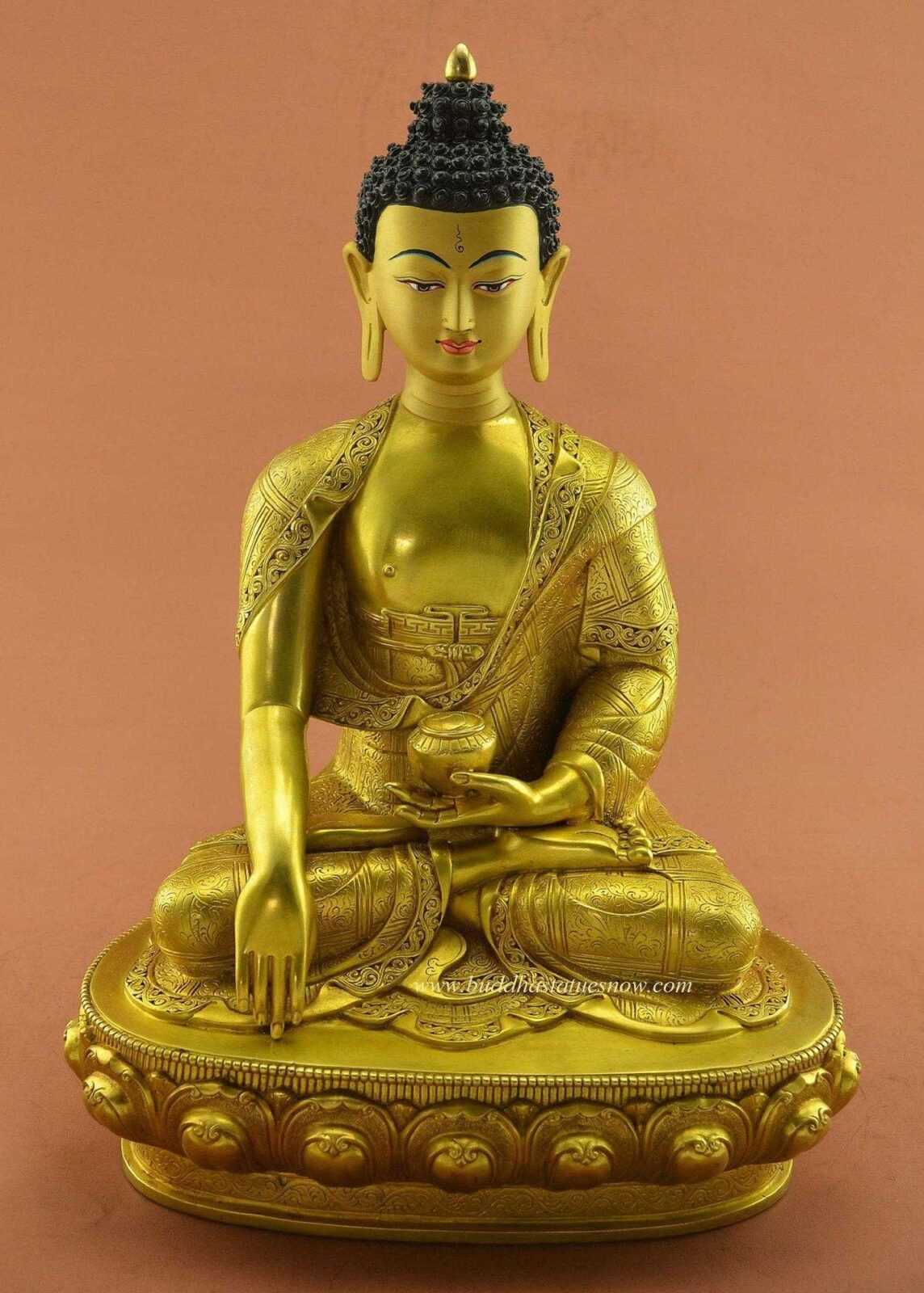
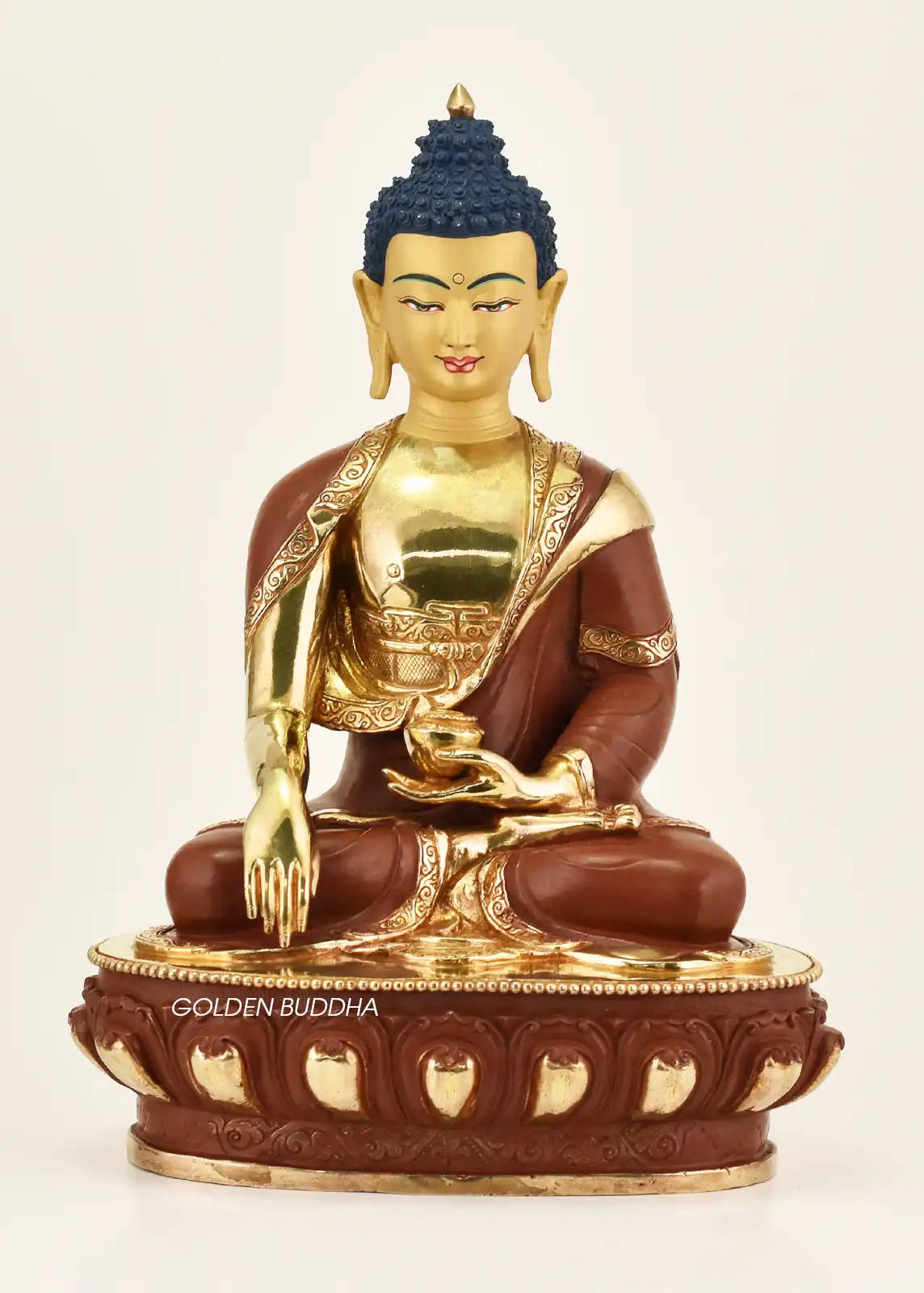
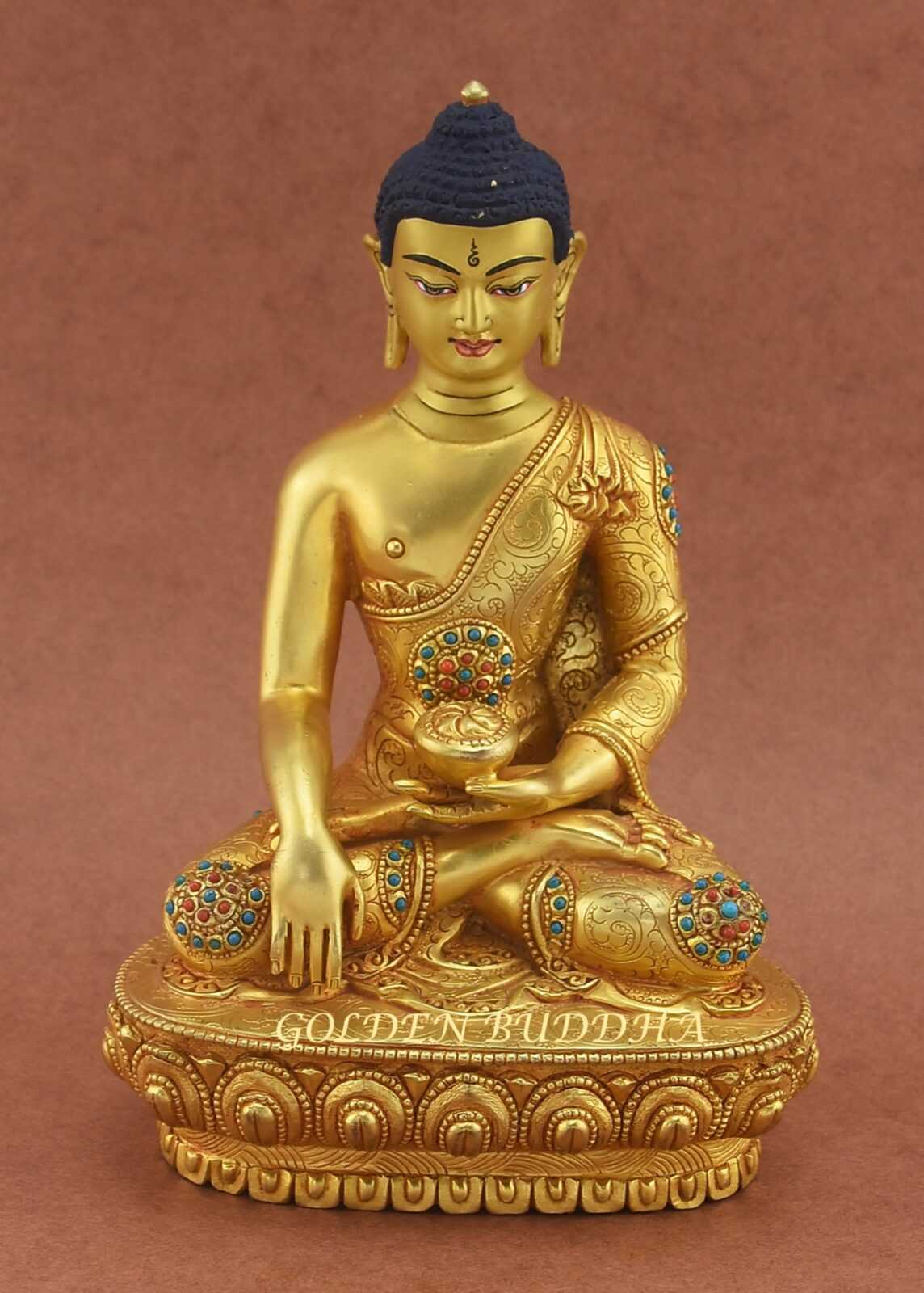
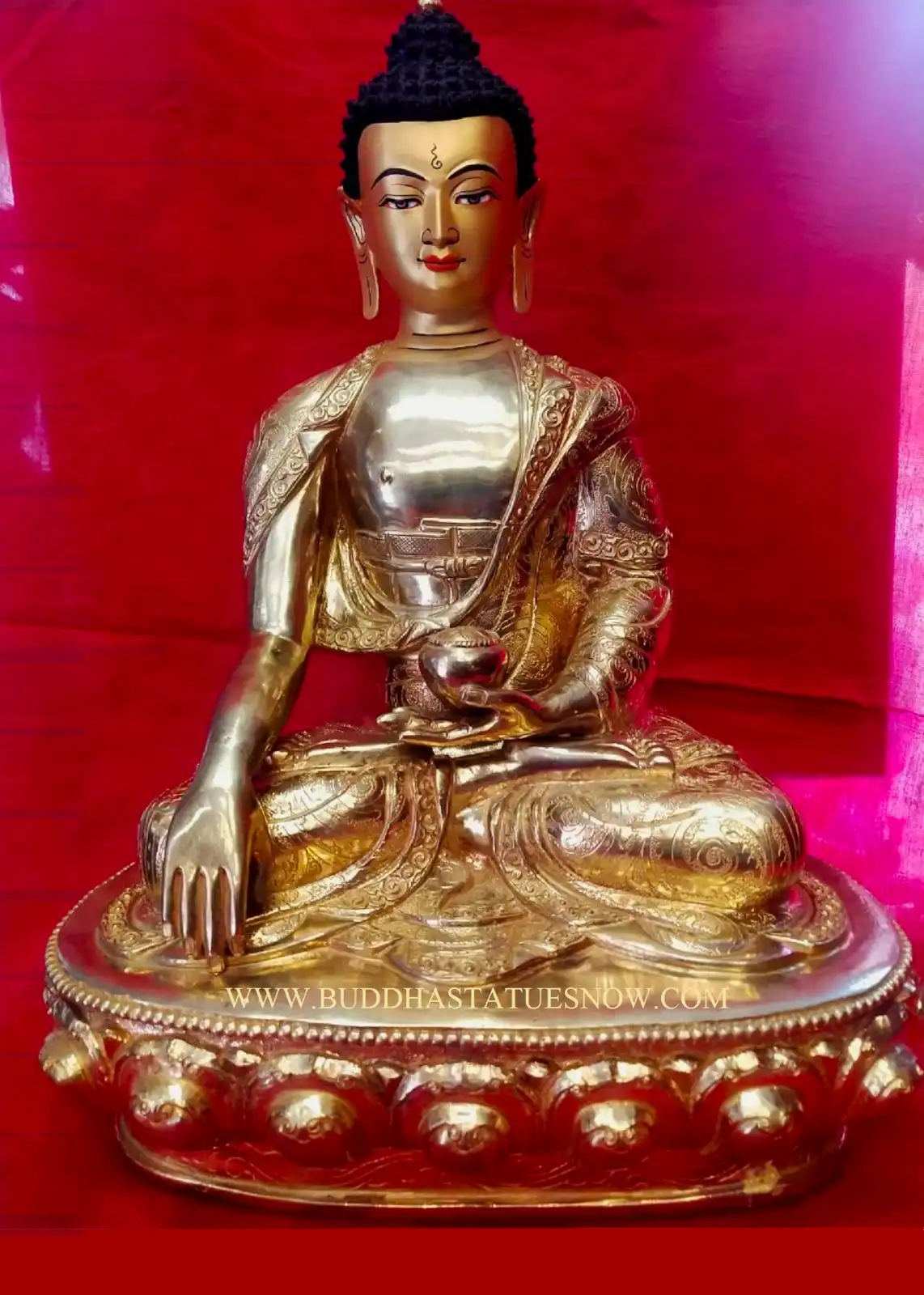
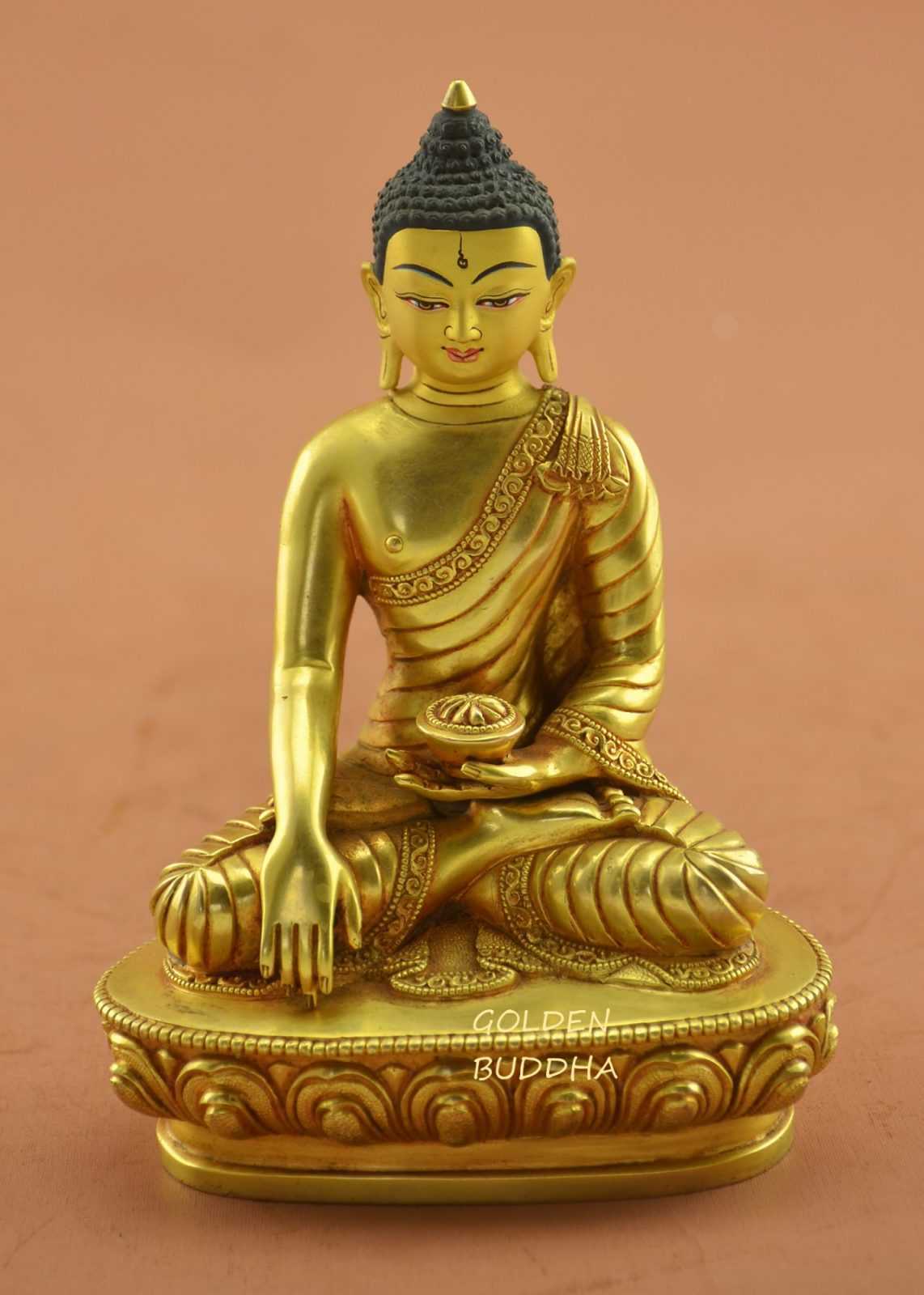
Born as Siddhartha Gautama in ancient India, Shakyamuni Buddha attained enlightenment beneath the Bodhi tree and taught the Dharma for the benefit of all sentient beings. The Buddha sits in full lotus pose performing Bhumisparsha mudra with his right hand and Dhyana mudra with his left hand. In addition, the alms bowl of a Buddhist monk sits in the palm of his left hand. This image remains one of the most revered and recognizable forms in Buddhist art across Tibetan, Mahayana, and Theravada traditions.
Our Shakyamuni Buddha statues are handcrafted in copper with intricate detailing, then traditionally finished using genuine 24K gold fire gilding by skilled Nepali artisans from Patan and the Kathmandu Valley. For Pure Land imagery, explore our Amitabha Buddha statues. These same artisan traditions have supplied Buddhist monasteries, temples, and practitioners for generations.
Choose a handmade Shakyamuni Buddha statue for your meditation altar, shrine room, Dharma center, temple, or fine Himalayan Buddhist art collection.
Related Buddha Statues:
Medicine Buddha Statues | Amitabha Buddha Statues | Amitayus Buddha Statues
Showing 1–12 of 34 resultsSorted by popularity
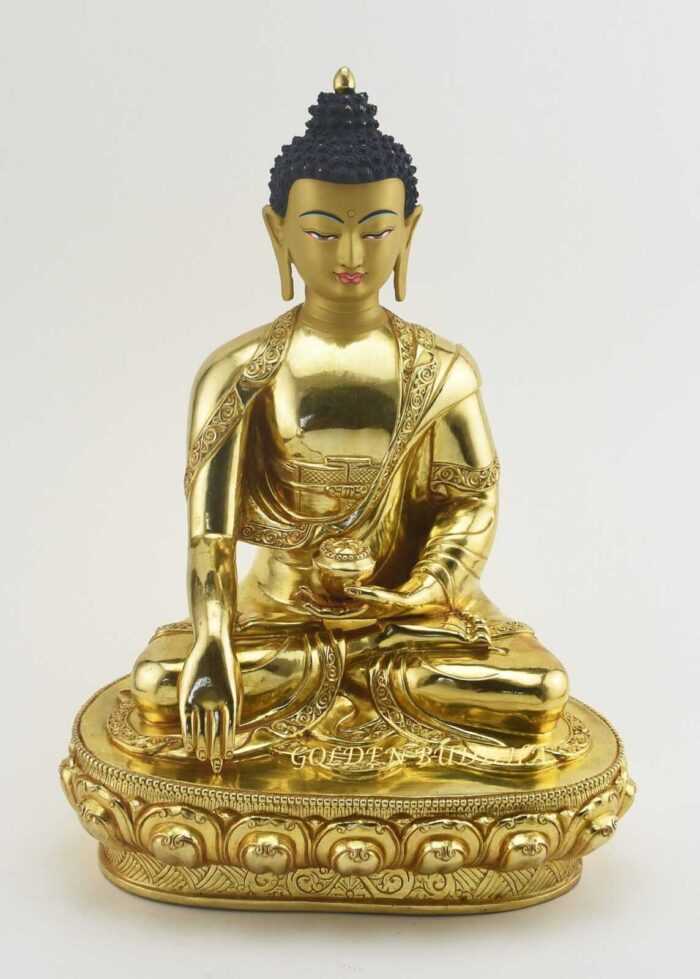
Shakyamuni Buddha Sculpture | 12.5″ Gold Gilded | Authentic Nepal
Original price was: $1,799.00.$1,399.00Current price is: $1,399.00.Add to Cart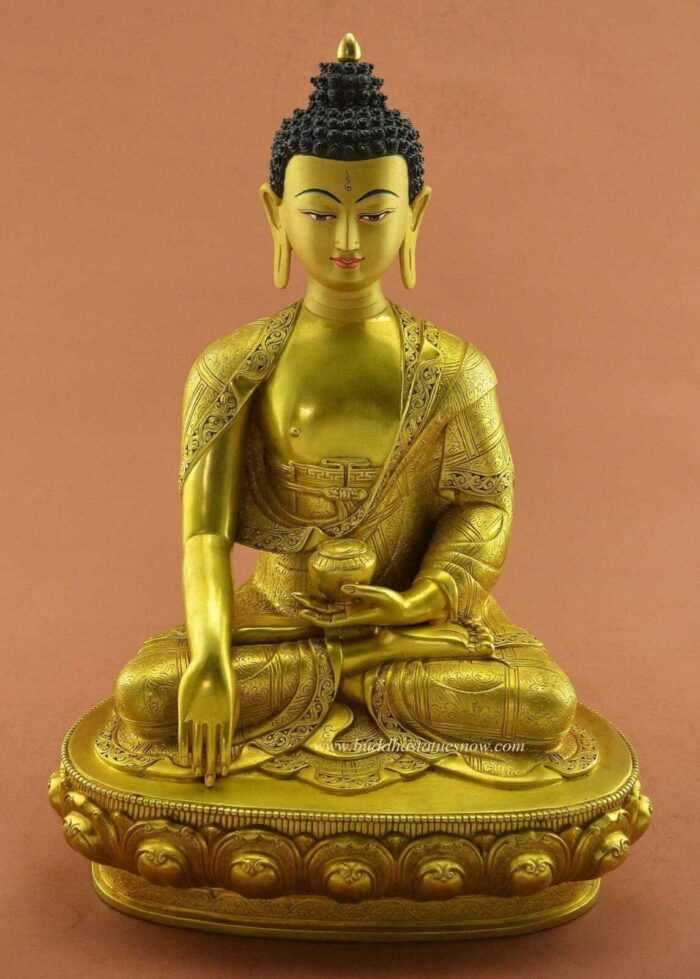
Gold Gilded Shakyamuni Statue | 13.5″ Fire Gilded | Authentic Nepal
Original price was: $4,899.00.$3,699.00Current price is: $3,699.00.Add to Cart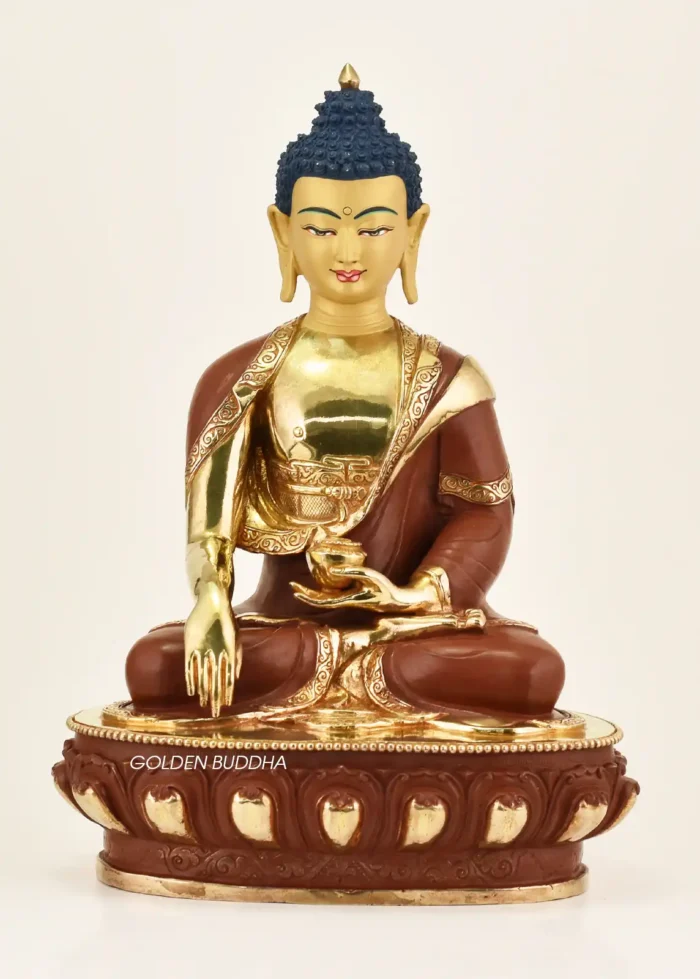
Gold Gilded Shakyamuni Sculpture 13.75″ | 24K Gold | Patan, Nepal
Original price was: $1,899.00.$1,399.00Current price is: $1,399.00.Add to Cart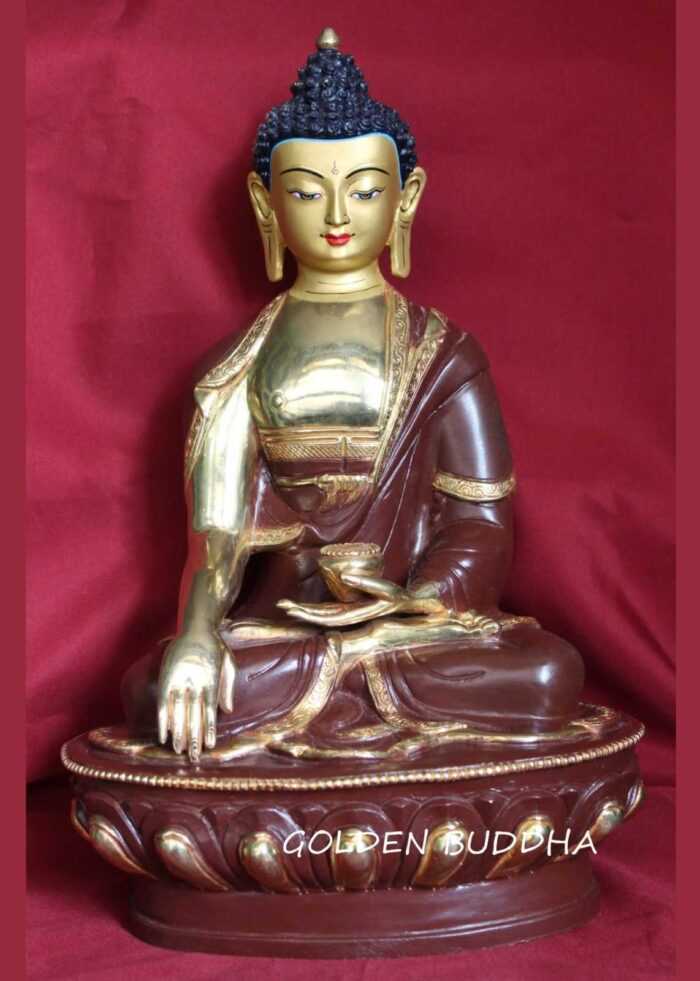
Beautiful Shakyamuni Statue | 8″ Partly Gilded | Authentic Nepal
Original price was: $1,199.00.$899.00Current price is: $899.00.Add to Cart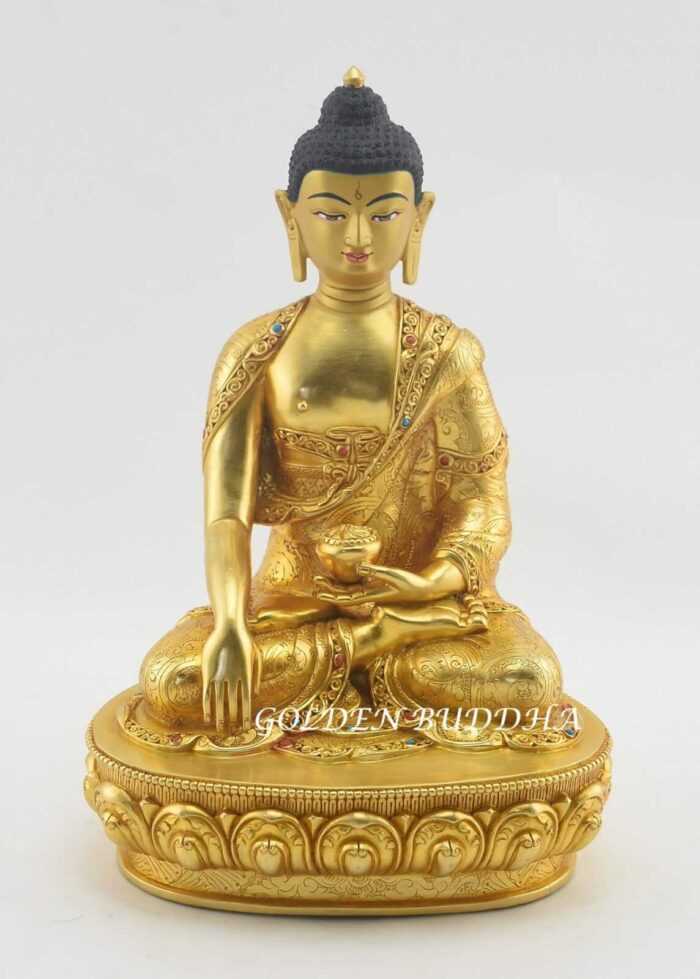
Shakyamuni Buddha Statue 9-inch | 24K Gold Gilded with Gemstones
Original price was: $1,799.00.$1,399.00Current price is: $1,399.00.Add to Cart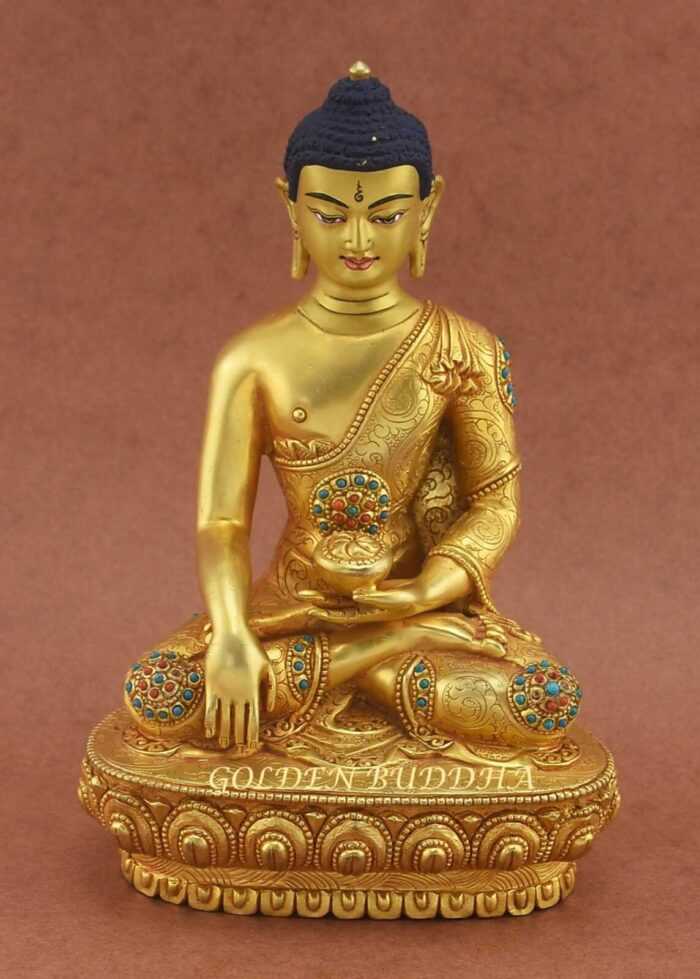
Shakyamuni Buddha Tomba Statue | 7.75-inch Historical Buddha | Gemstones
Original price was: $1,299.00.$899.00Current price is: $899.00.Add to Cart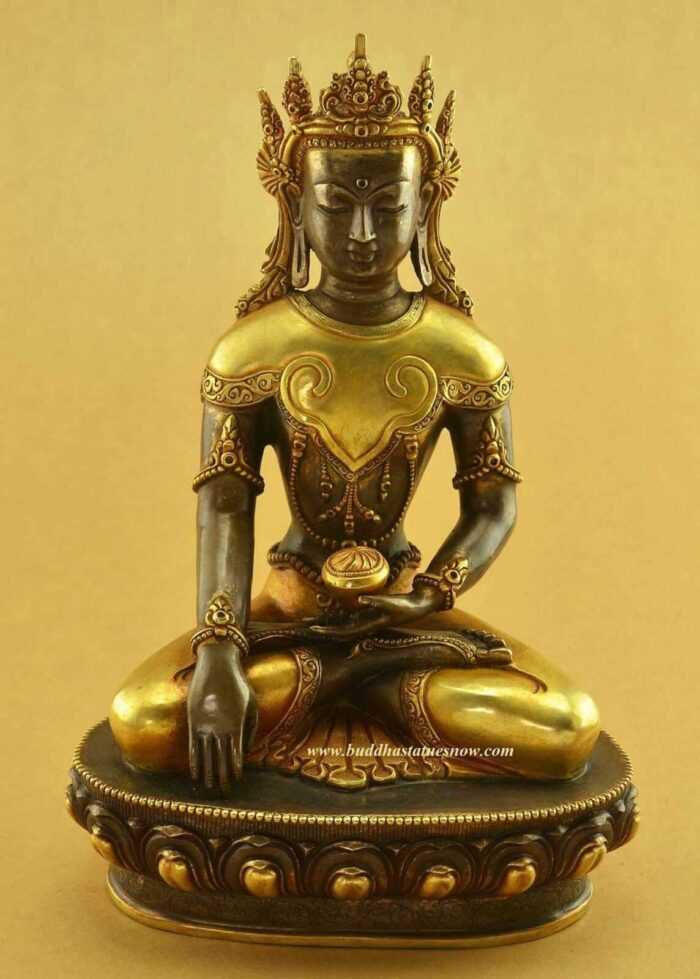
Partly Gilded Shakyamuni Statue 10.5″ | 24K Gold | Authentic Nepal
Original price was: $1,399.00.$1,199.00Current price is: $1,199.00.Add to Cart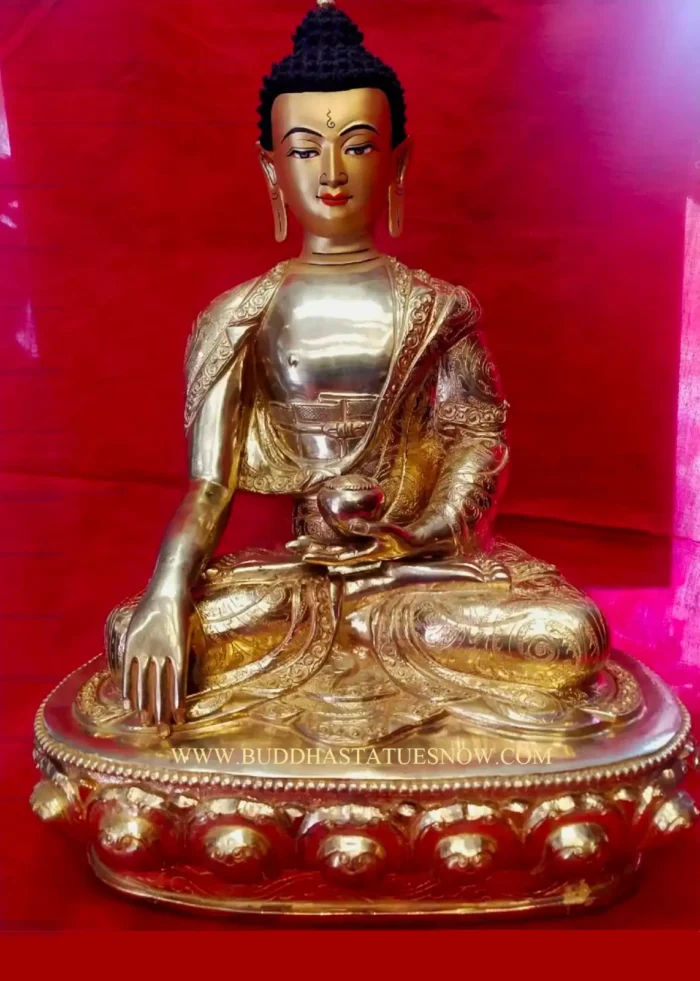
Nepali Shakyamuni Buddha Statue | 12″ | 24K Gold Gilded
Original price was: $2,399.00.$1,499.00Current price is: $1,499.00.Add to Cart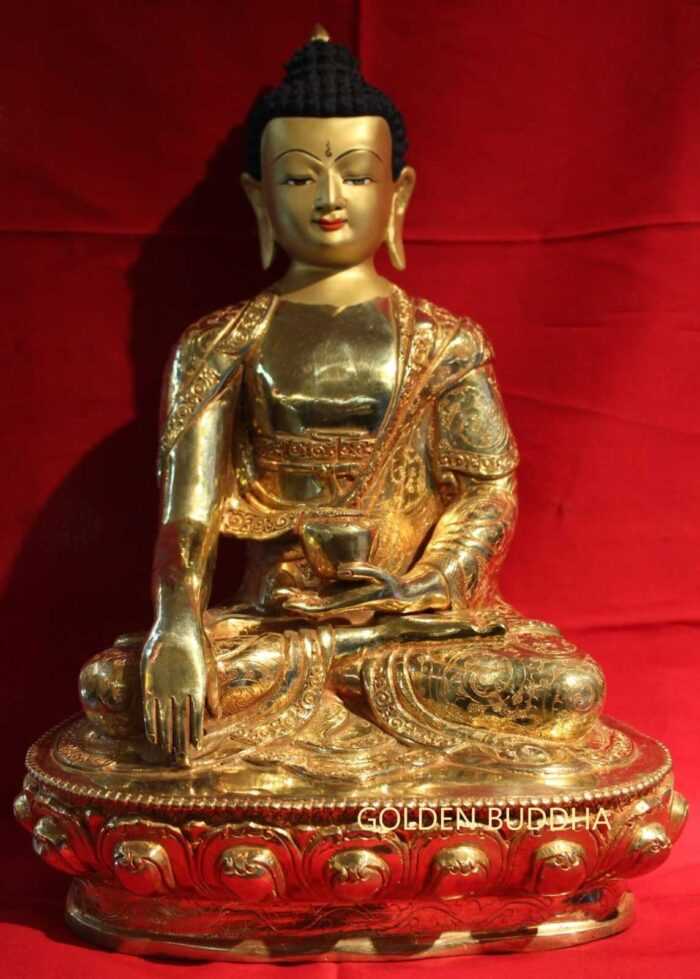
Handmade Shakyamuni Buddha Statue | 8″ 24K Gold | Nepal
Original price was: $1,399.00.$999.00Current price is: $999.00.Add to Cart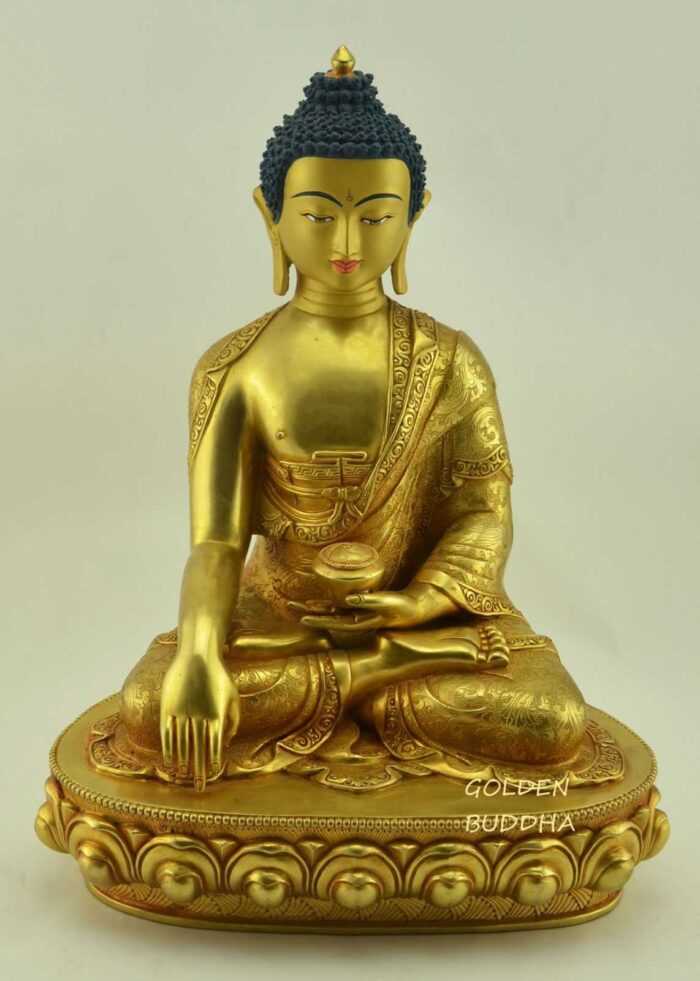
Historical Buddha Statue 14.5″ | 24K Gold | Authentic Nepal
Original price was: $3,299.00.$2,599.00Current price is: $2,599.00.Add to Cart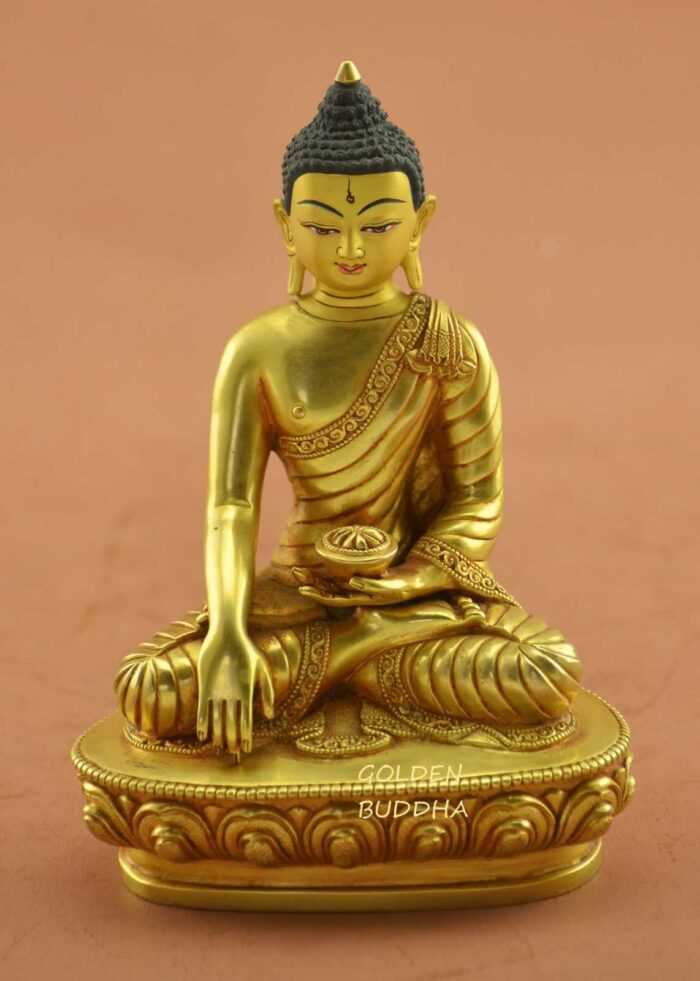
Small Shakyamuni Buddha Statue | 5.75-inch | 24K Gold Gilded
Original price was: $999.00.$799.00Current price is: $799.00.Add to Cart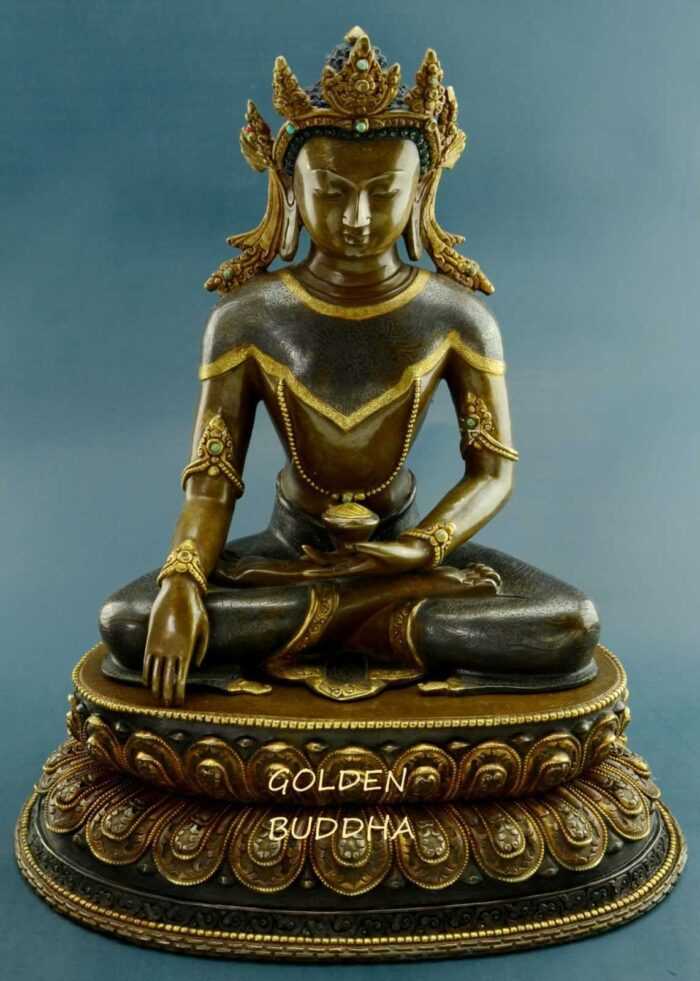
Antiquated Shakyamuni Statue | 13.5″ 24K Gold | Authentic Nepal
Original price was: $2,899.00.$1,799.00Current price is: $1,799.00.Add to Cart





Shakyamuni Buddha Statue Symbolism and Meaning
Shakyamuni Buddha, born Siddhartha Gautama, is the historical Buddha and founder of Buddhism, and his image is among the most recognized forms in Buddhist art across Tibetan, Mahayana, and Theravada traditions. Statues typically show two features that distinguish him from other figures: the ushnisha, a raised protrusion on the crown of the head symbolizing transcendent wisdom, and elongated earlobes, recalling the heavy earrings he wore as a prince before renouncing royal life.
Shakyamuni Buddha statues are most often shown in one of several mudras, or symbolic hand gestures. The Bhumisparsha mudra, with the right hand touching the earth, recalls the moment of his enlightenment beneath the Bodhi tree. The Dhyana mudra, with both hands resting in the lap, represents meditative absorption, while the Dharmachakra mudra, formed with both hands at the chest, represents the turning of the Wheel of Dharma - his first teaching. For a broader look at these symbols, see our guides to Buddha statue meaning and the Buddhist pantheon.
Materials, Sizes, and Finishes
Our Shakyamuni Buddha statues are handcrafted in Patan, in the Kathmandu Valley, using the traditional lost wax casting method practiced by Newari artisans for generations. Each piece begins as a wax model, cast in copper and then hand-finished, with facial features, robe folds, and the ushnisha carved or chased by hand, so no two statues are ever exactly alike.
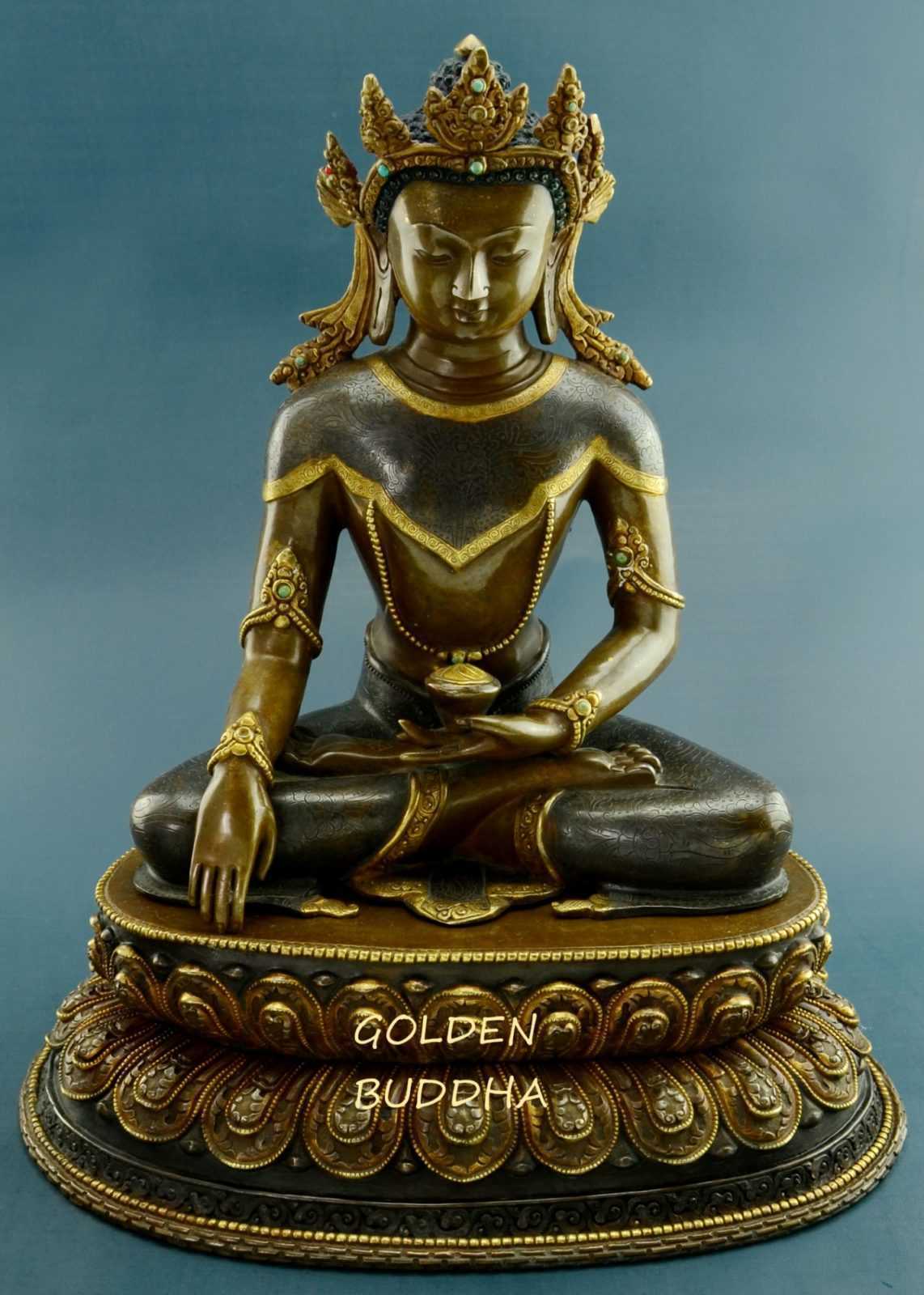
Finishes vary by piece: many statues are fully gold gilded using traditional fire gilding, where 24K gold is fused to the copper surface for a durable, rich finish; others are partly gilded, with the face, ushnisha, and robe edges highlighted in gold while the body remains in copper; and some are left with a natural oxidized or antiqued copper finish for a more understated, aged appearance.
Sizes in our collection range from compact statues around 5-6 inches, suitable for a small altar or travel shrine, up to larger pieces of 14 inches and more, intended as a centerpiece for a shrine room or Dharma center.
Frequently Asked Questions
What does the Bhumisparsha mudra represent?
The Bhumisparsha mudra, or 'earth-touching gesture,' shows Shakyamuni Buddha's right hand reaching down to touch the earth, calling it to witness his enlightenment beneath the Bodhi tree. It's one of the most common gestures shown in Shakyamuni Buddha statues and represents the moment of awakening itself.
What's the difference between Shakyamuni Buddha and other Buddha statues like Amitabha or Medicine Buddha?
Shakyamuni Buddha represents the historical Buddha, Siddhartha Gautama, and is typically shown in simple monastic robes with the Bhumisparsha or Dharmachakra mudra. Other Buddhas, such as Amitabha Buddha or Medicine Buddha, represent specific qualities or pure lands within Mahayana Buddhism and are usually distinguished by their hand gestures, ritual objects, and, in the case of Medicine Buddha, the myrobalan plant or medicine bowl.
Why do Shakyamuni Buddha statues look different from Bodhisattva statues?
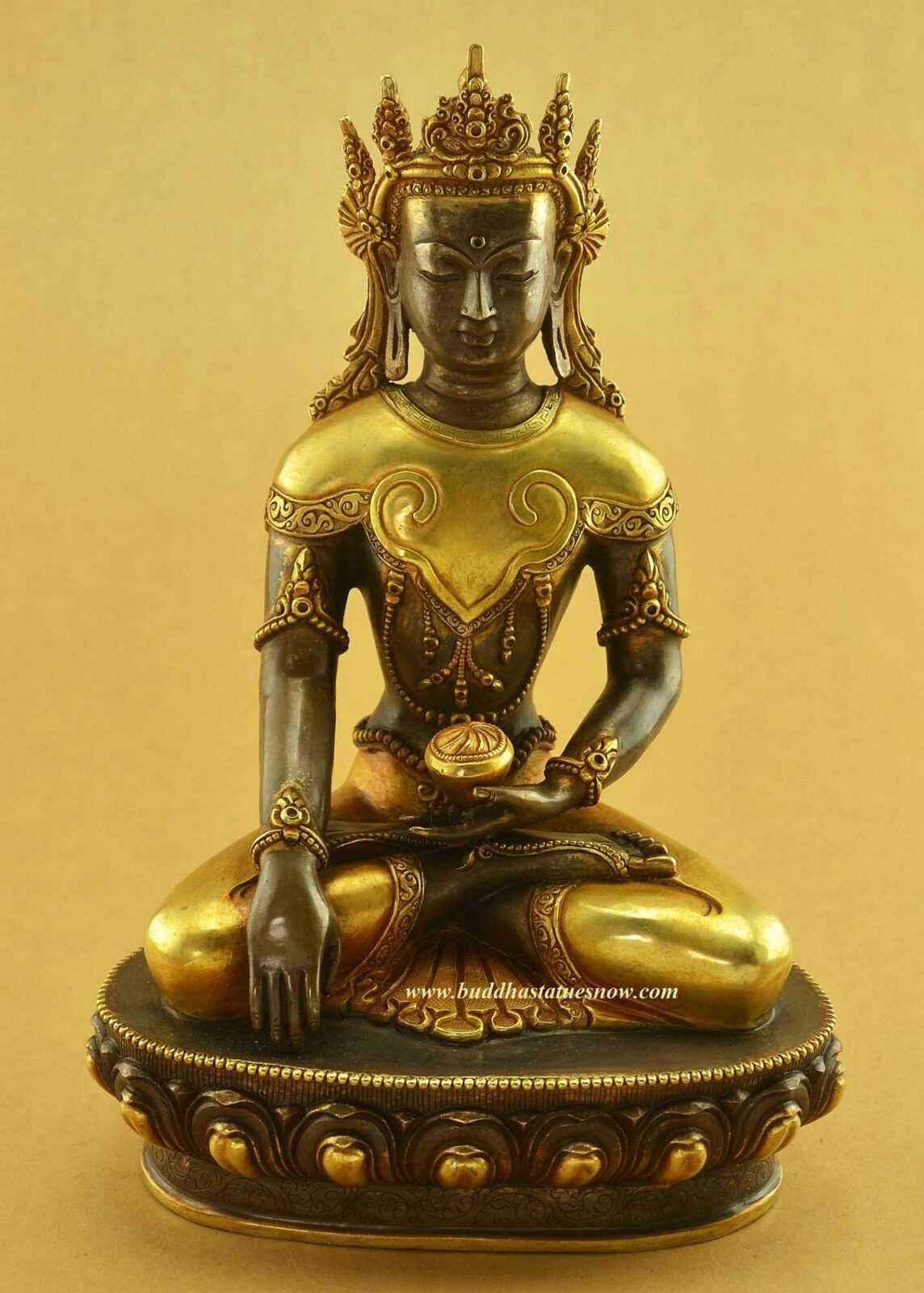
Shakyamuni Buddha is depicted as a monk, with simple robes and no crown or jewelry, reflecting his renunciation of royal life. Bodhisattvas such as Avalokiteshvara or Green Tara are shown adorned with crowns, jewelry, and silk robes, symbolizing their engagement with the world while working to liberate all beings. For more on these visual distinctions, see our guide to Buddha statue physical characteristics.
Are these Shakyamuni Buddha statues authentic and certified?
Yes. Every Shakyamuni Buddha statue in this collection is handmade in Patan, Nepal, using traditional lost wax casting and 24K fire gilding. Statues include a certificate of authenticity verifying materials, technique, and origin.
How do I choose the right size for my altar?
For a personal altar or meditation space, statues in the 5-9 inch range are common and proportionate to most home shrines. For a temple, Dharma center, or shared shrine room, larger statues of 12 inches and above are often chosen as a focal point.