Tibetan Vajra and Bell
The Tibetan vajra and bell are the two implements a Vajrayana practitioner holds together, and no pair in Buddhism is more closely bound. The vajra — dorje in Tibetan — is held in the right hand and stands for method, the compassionate activity that engages the world. The bell, ghanta in Sanskrit and drilbu in Tibetan, is held in the left and stands for wisdom, the direct perception of emptiness. Method without wisdom is blind and wisdom without method is inert, so in practice the two are never parted; the hands hold them crossed at the heart, and the whole path takes its name from one of them.
Vajra means both diamond and thunderbolt, and the object carries both senses: indestructible as a diamond, irresistible as a lightning strike. It began as the weapon of Indra in the older Indian tradition and was transformed rather than discarded — a weapon of destruction became the emblem of indestructible truth, which is a fair summary of what Vajrayana does with what it inherits. The form is read from the centre outward: a sphere at the middle representing emptiness itself, lotuses opening to either side, and prongs curving out and back to meet a central point, so that everything returns to one.
The bell repeats the same logic in sound. Its body is hollow — emptiness given a shape — and its ring is the sound of that emptiness, sustained and then fading, which is the point. The handle is crowned with a half-vajra, so that even held alone the bell carries its partner. Between them the vajra and bell contain the whole of the practice, which is why they appear in the hands of Vajrasattva, Vajrapani and deity after deity across Himalayan art.
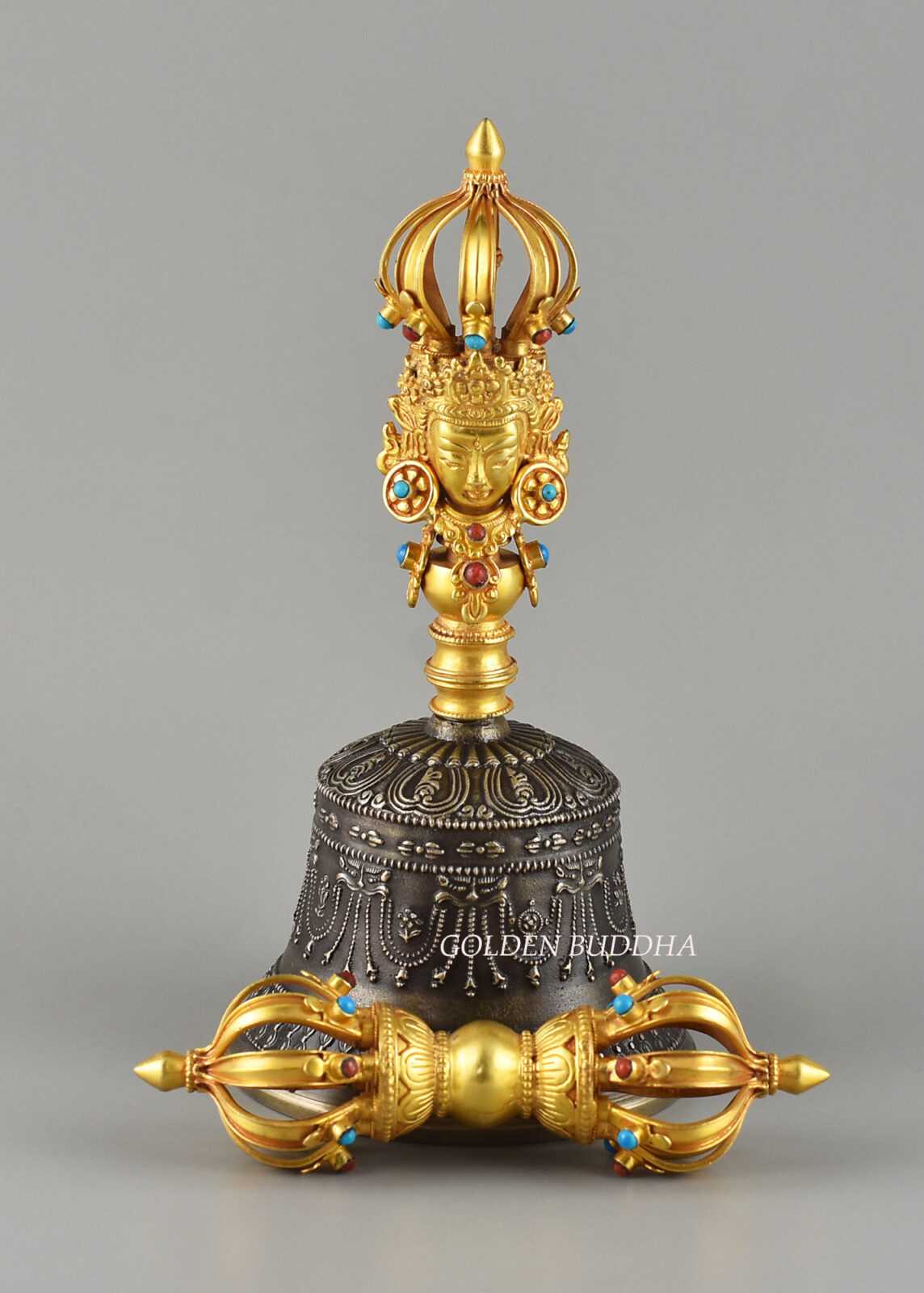
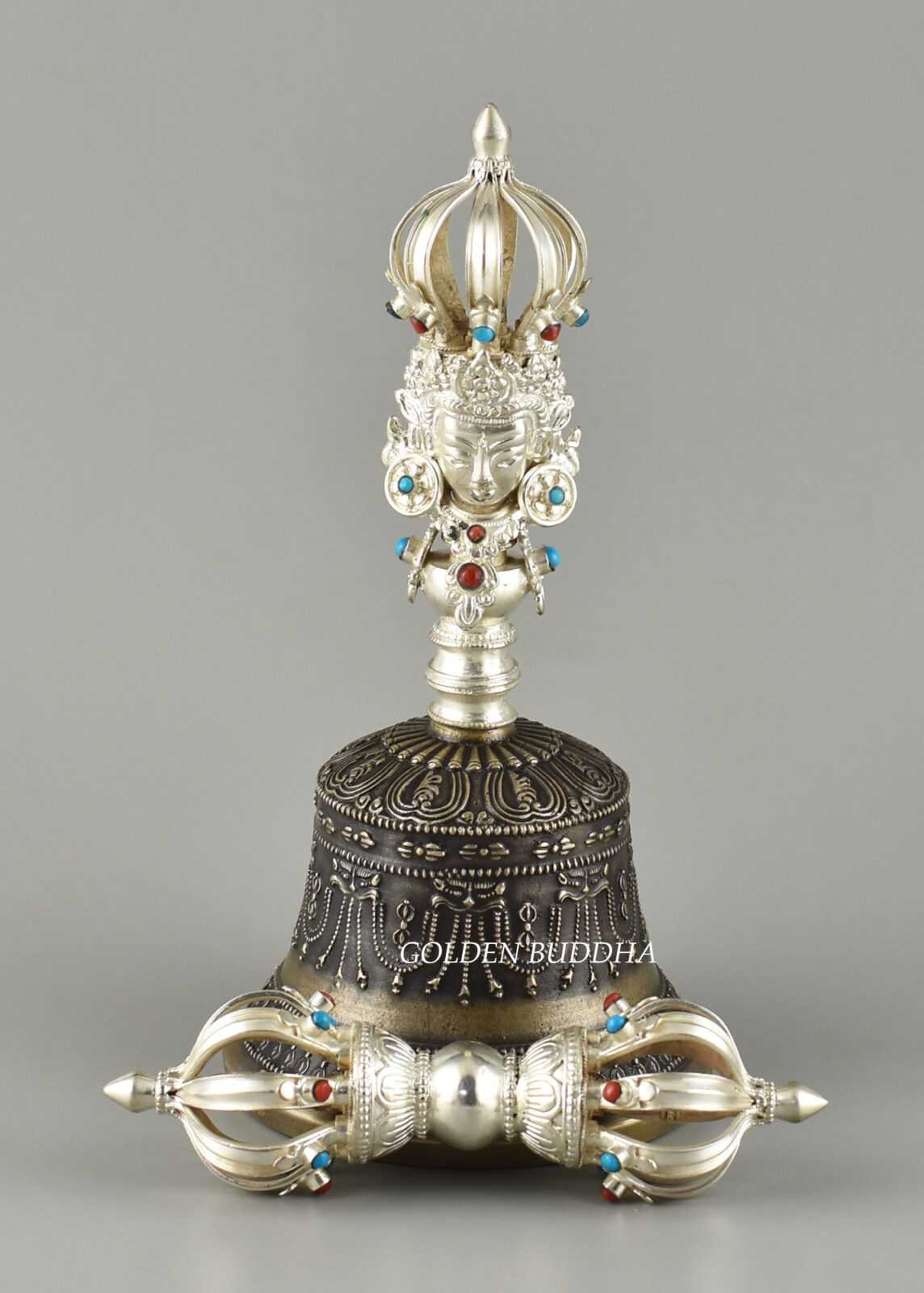
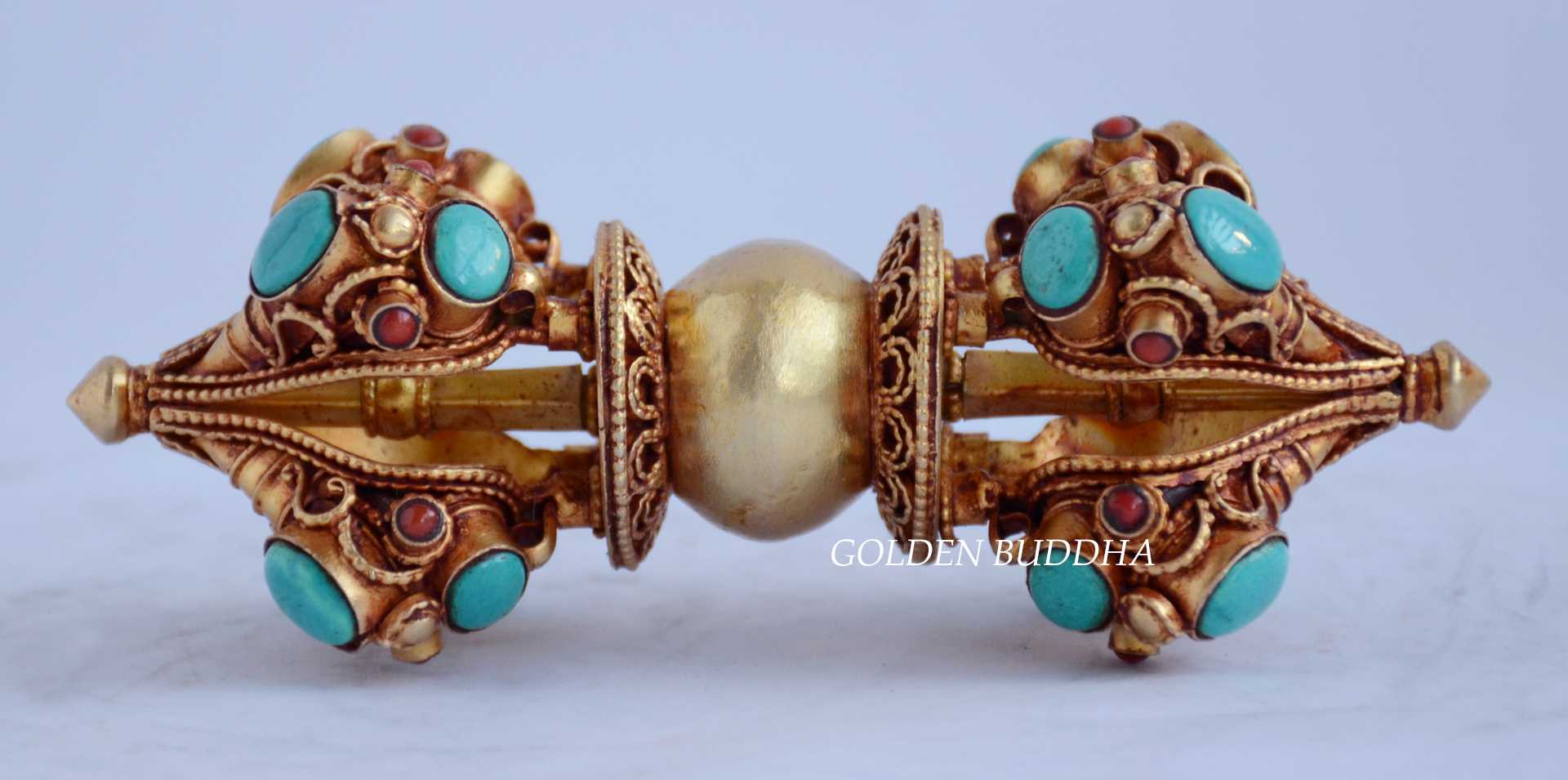
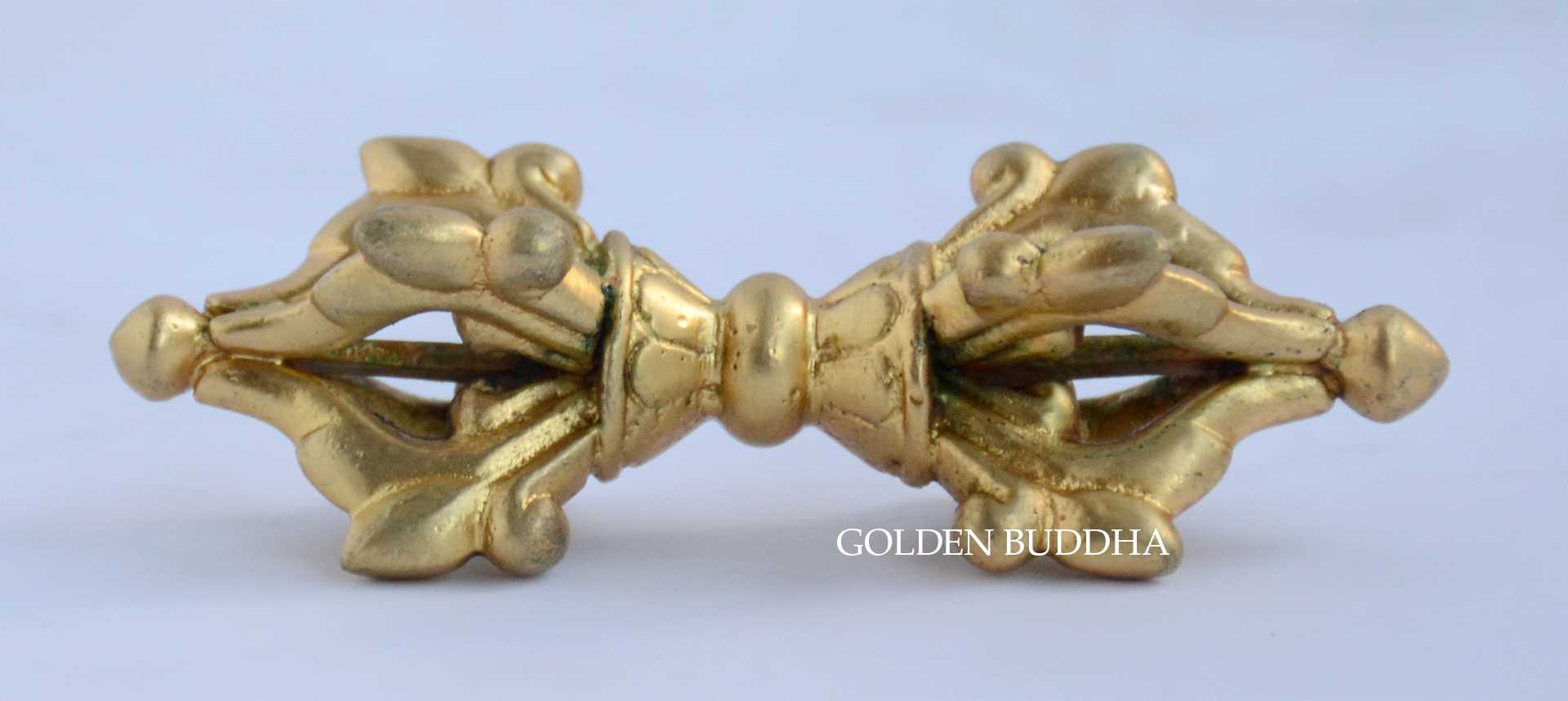
We offer complete Tibetan vajra and bell sets at 8 inches, in gold plate and in silver plate, each inset with turquoise and red coral, alongside two vajras sold singly — a 5.5 inch piece fully gilded in 24K gold with stone settings, and a 2.75 inch gold plated vajra, our most affordable ritual implement at well under a hundred dollars. All are handcrafted in Patan, in the Kathmandu Valley, by traditional methods. See also the phurba, which shares the vajra’s ritual vocabulary, and our full range of Tibetan ritual items.
Showing all 4 resultsSorted by popularity
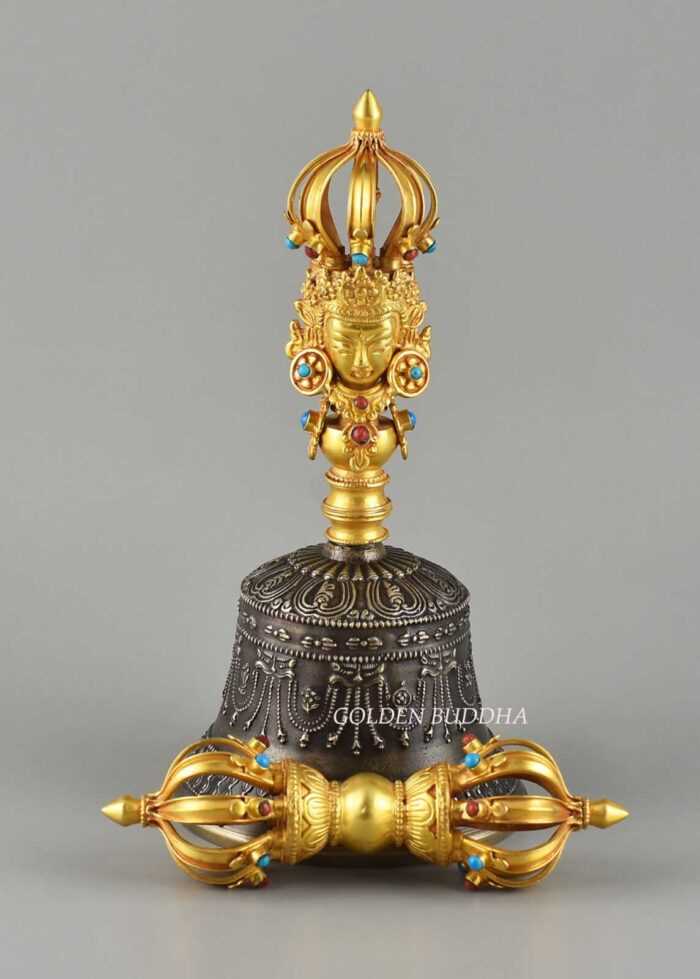
Tibetan Vajra & Bell Set, Height 8″, Gold Plated, Authentic, Turquoise and Red Coral
Original price was: $1,099.00.$849.00Current price is: $849.00.Add to Cart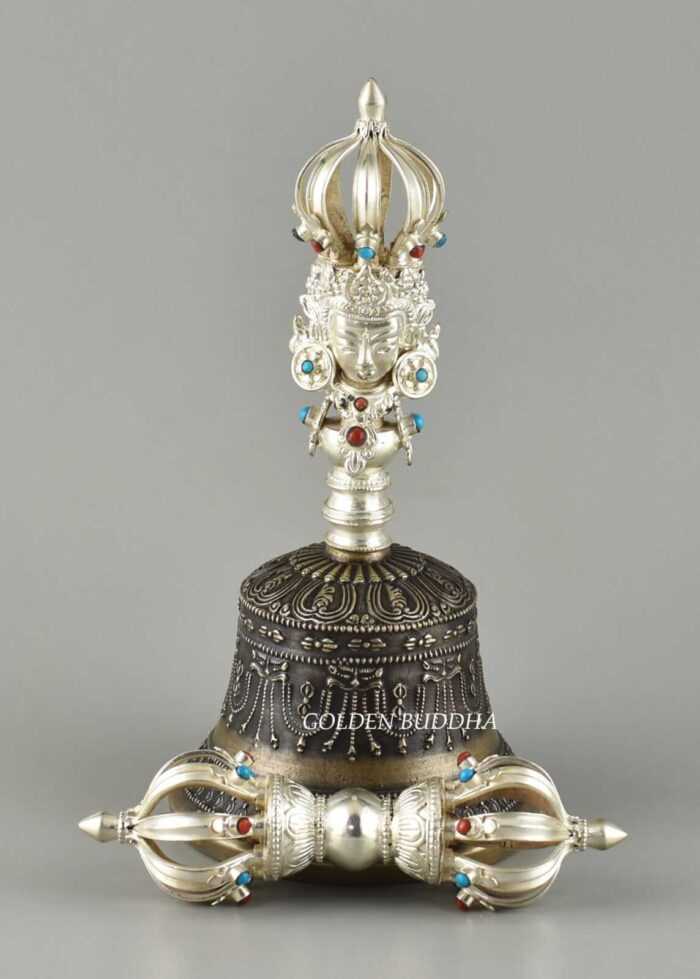
Vajra & Bell Set 8″, Silver Plated, Handmade, Turquoise and Red Coral Stones
Original price was: $999.00.$749.00Current price is: $749.00.Add to Cart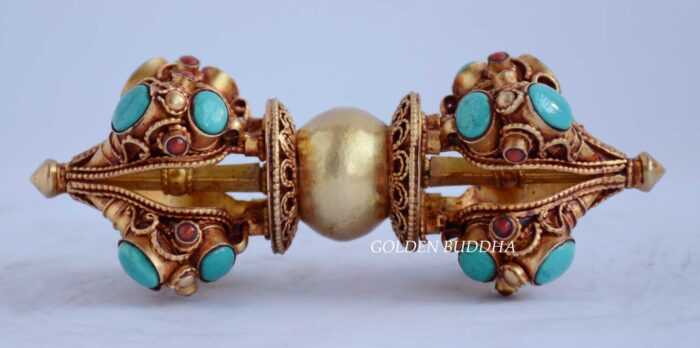
Vajra 5.5 inches, Fully Gilded 24K, Embedded Turquoise and Coral Stones
Original price was: $499.00.$359.00Current price is: $359.00.Add to Cart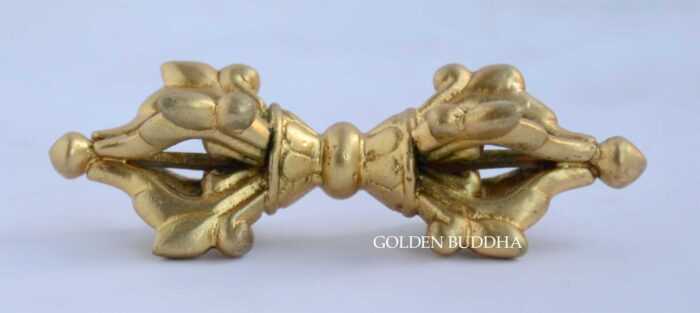
Vajra 2.75 inches, Gold Plated, Handcrafted in Nepal, Traditional Methods
Original price was: $179.00.$89.00Current price is: $89.00.Add to Cart