HISTORICAL BUDDHA
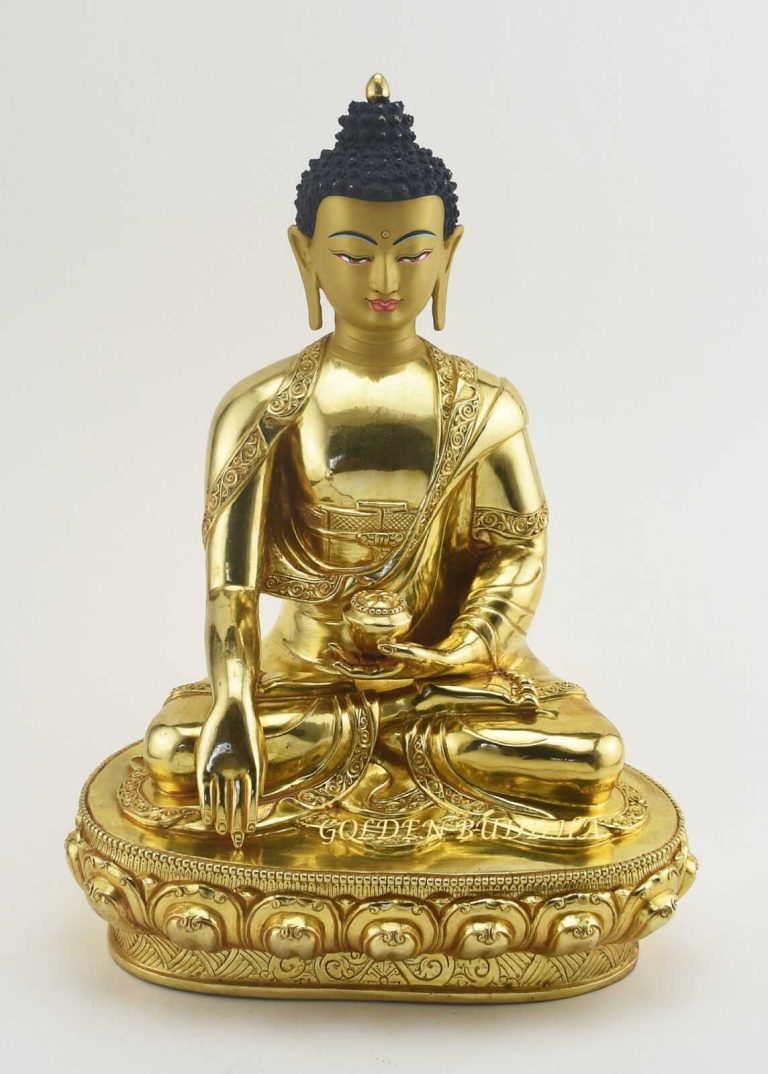
Shakyamuni Buddha statues, gold gilded, handmade in Patan Nepal

Authentic Tibetan Buddhist Statues & Himalayan Buddhist Art

Hand carved and 24K gold gilded by Newar master artisans in Patan, Nepal
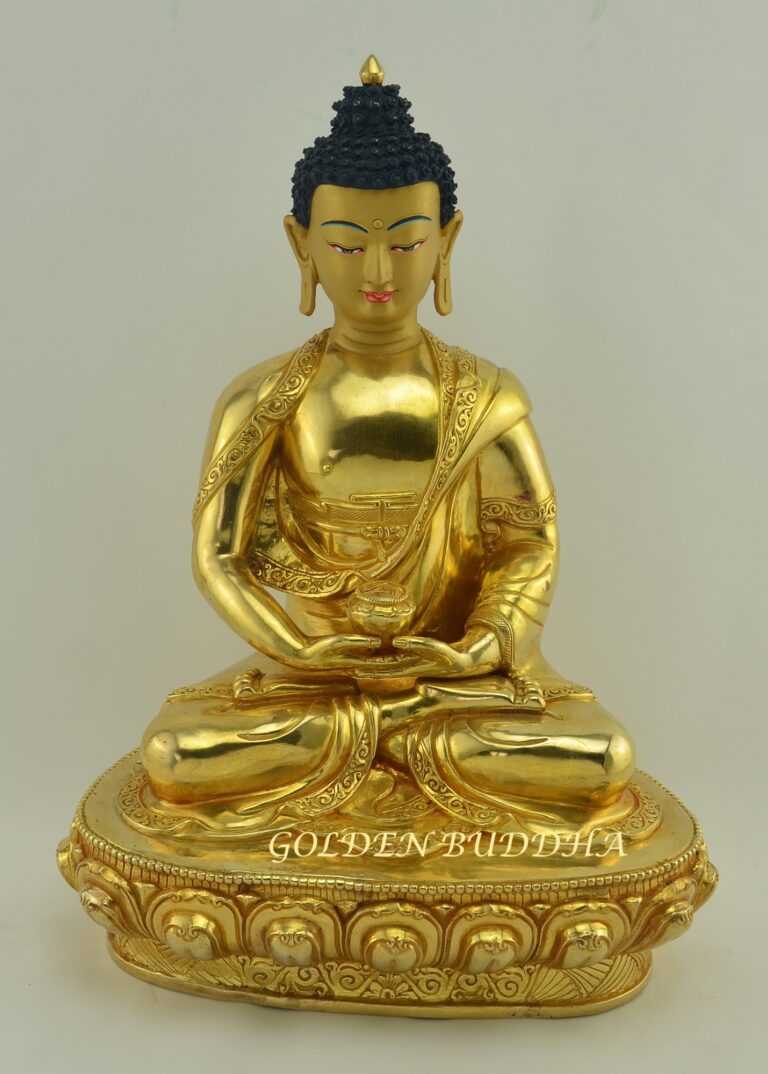
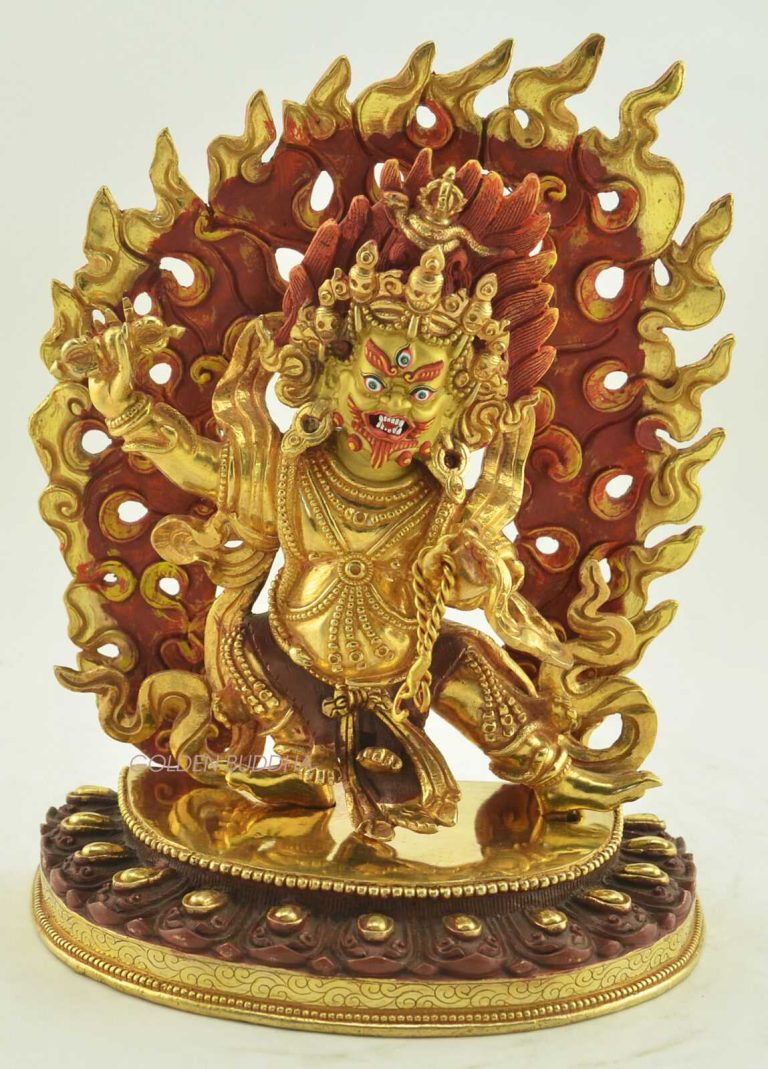
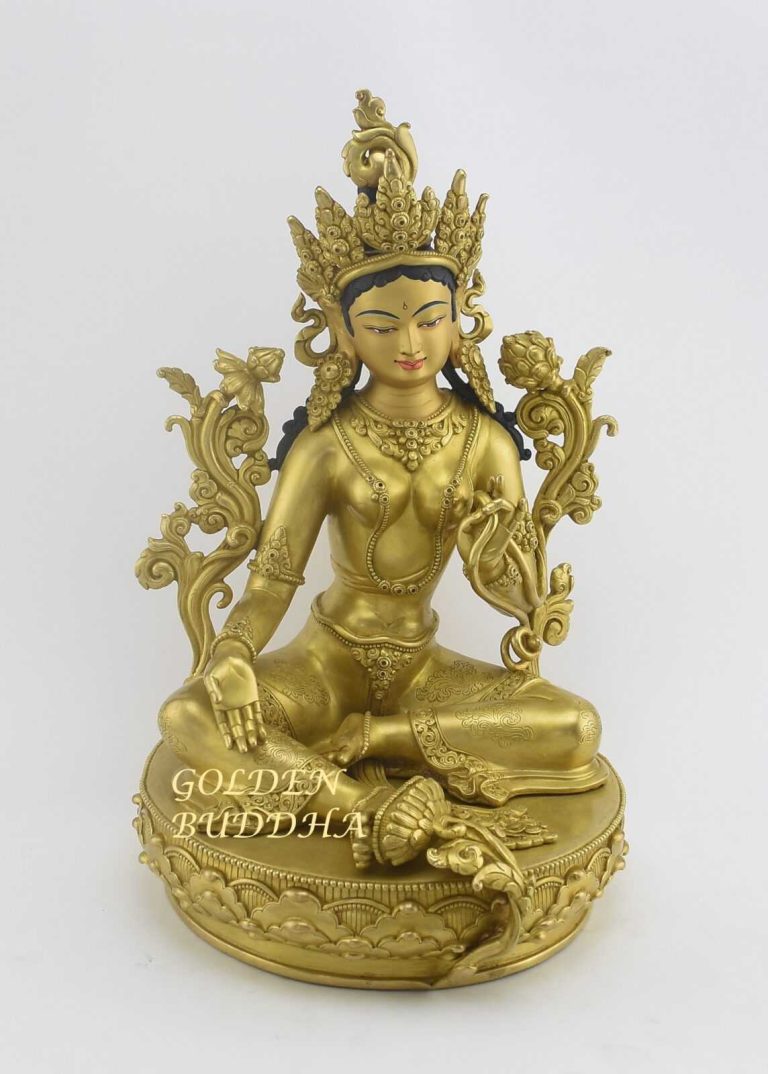
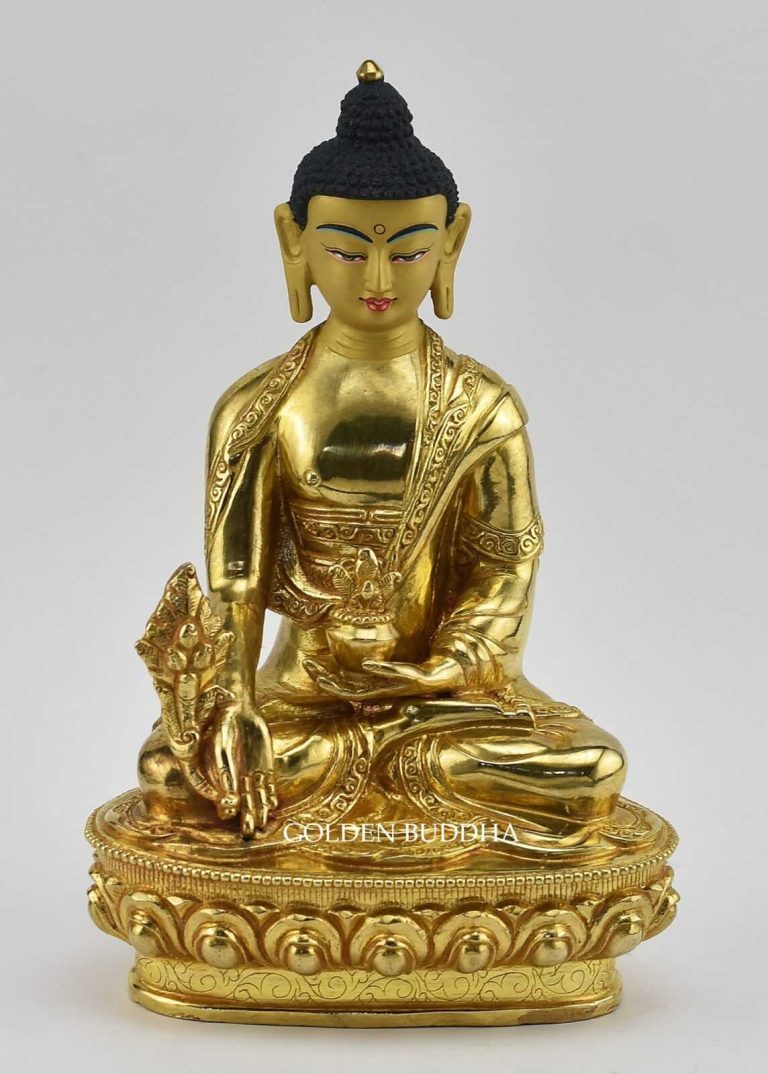
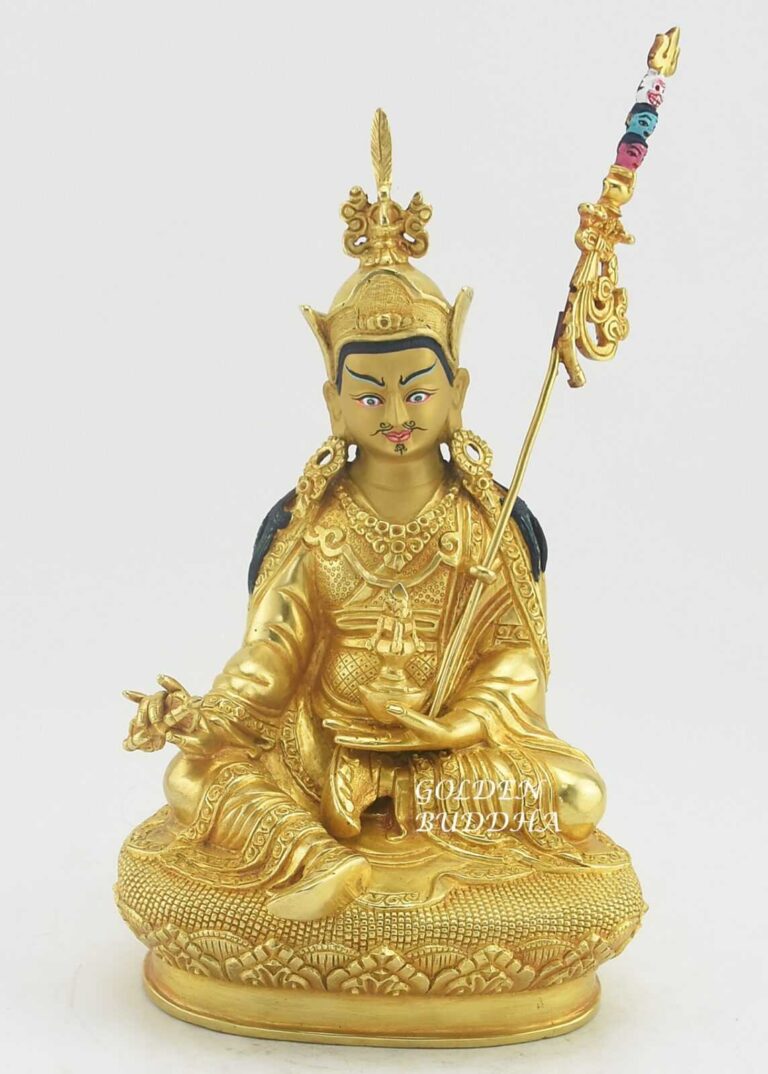
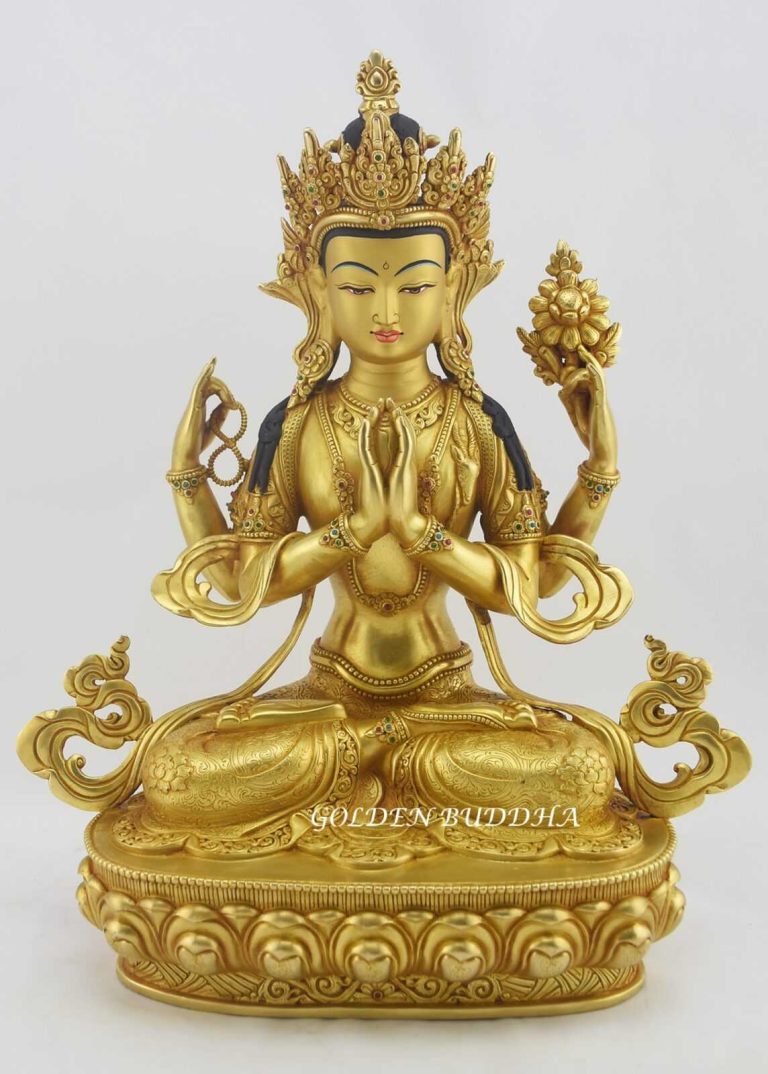
My name is Edwin, and I welcome you to Golden Buddha. We offer authentic Tibetan Buddha statues, Tibetan Buddhist statues, thangkas, and traditional Himalayan Buddhist art handcrafted in Nepal by skilled artisans. Our collection includes Buddhas, Bodhisattvas, wrathful protectors, lineage masters, ritual objects, and sacred art for home altars, meditation spaces, Dharma centers, and collectors of Buddhist art. Explore our collection of authentic handmade Buddha statues crafted by master artisans in Nepal. Browse our complete gallery of Buddha statues from Nepal to see every statue, thangka, and ritual item in one place.
Each statue and ritual item is individually made using traditional methods preserved through generations of Himalayan craftsmanship. Rather than mass-produced decorative objects, our pieces are created with attention to Buddhist iconography, proportion, symbolism, and devotional purpose. Our collection also includes revered Bodhisattva statues representing compassion, wisdom, and enlightened activity. Many of our statues are made using lost wax casting, copper repoussé, hand carving, 24K gold gilding, hand painting, and other time-honored techniques associated with the sacred art traditions of Nepal and Tibet.
Golden Buddha was created to help customers find meaningful Buddhist statues and ritual art directly from the traditional source of production. Whether you are searching for a Shakyamuni Buddha statue, Green Tara statue, Medicine Buddha statue, Chenrezig statue, Guru Rinpoche statue, Vajrasattva statue, thangka painting, offering bowl set, vajra, bell, or other Tibetan ritual item, our goal is to provide authentic sacred art with clear information, careful service, and dependable worldwide shipping.
Customer trust is central to our work. We want the process to feel personal, informed, and respectful from the first inquiry until your new statue, thangka, or ritual item is placed on your altar or in your meditation space. Here is what one satisfied customer had to say:
“It looks great! No problems with the delivery. The statue is absolutely of the high quality that I expected and is now a great source of inspiration in my Dhamma practice.” Thank you very much. Sincerely, Karin S. — Göteborg, Sweden
The finest Tibetan Buddha statues are closely connected to the sacred art workshops of Nepal — especially the Newar artisan tradition of the Kathmandu Valley and the artisan city of Patan (Lalitpur). For centuries, these craftsmen supplied monasteries, temples, practitioners, and patrons throughout the Himalayan region. Their work helped shape the visual language of Tibetan Buddhist statues, ritual objects, and devotional art found across Nepal, Tibet, Bhutan, India, Mongolia, and Buddhist communities worldwide.
A traditional Tibetan Buddhist statue is not simply a decorative sculpture. It is created within recognized iconographic guidelines that preserve the identity, posture, mudra, attributes, facial expression, ornaments, and symbolic meaning of each deity. Shakyamuni Buddha, Green Tara, Medicine Buddha, Amitabha, Manjushri, Vajrasattva, Chenrezig, and Guru Rinpoche each have distinct visual features that communicate their role within Buddhist practice and teaching.
This is why authentic Himalayan Buddhist art requires more than technical skill — it also requires respect for Buddhist meaning. A well-made statue reflects the intersection of craftsmanship, spiritual symbolism, cultural continuity, and artistic discipline. Traditional Himalayan artisans also create sacred Tibetan guru statues honoring important Vajrayana masters. Our collection is selected to preserve that relationship between sacred image, traditional method, and devotional purpose.
Choosing a Buddha statue is different from choosing ordinary home décor. For many practitioners, a statue becomes a daily reminder of mindfulness, compassion, wisdom, discipline, and the possibility of awakening. For collectors, the quality of the casting, gilding, painting, iconographic detail, and provenance are equally important. For both purposes, the right statue should be selected with care.
Some customers choose Shakyamuni Buddha because he represents the historical Buddha and the foundation of Buddhist practice. Others choose Medicine Buddha for healing and aspiration, Green Tara for swift protection and enlightened activity, Manjushri for wisdom, Chenrezig for compassion, Vajrapani for power or Guru Rinpoche for the Vajrayana lineage. Learn more about the important Buddhist gods and deities represented in Himalayan Buddhist art. The best Tibetan Buddha statue for your altar is the one whose meaning, form, and presence support your practice or personal connection to the Dharma.
Purchasing authentic Buddhist art also supports the continuation of traditional Himalayan craftsmanship. The creation of statues, thangkas, and ritual objects provides meaningful employment to skilled artisans and helps preserve cultural knowledge that can be weakened by mass production and low-quality replicas. When a statue is made properly, its value is not only in the metal, gilding, or ornamentation — it is in the knowledge and lineage of workmanship that created it.
A Buddha statue should be placed respectfully and thoughtfully. In many Buddhist traditions, statues are placed above floor level, kept clean, and positioned in a calm space suitable for reflection, offerings, meditation, or devotional practice. A home altar, meditation room, study, shrine cabinet, or dedicated quiet area is usually more appropriate than a casual decorative setting. Read our complete guide on how Buddha statues enhance qi energy in your home.
Lighting, cleanliness, and placement all affect how a statue is experienced. Many customers prefer to place a statue where it can be seen upon entering a room — serving as a reminder to pause, breathe, and return to a more mindful state. If offerings are made, the area should be kept orderly and treated with care.
Outdoor placement should be considered carefully. In monasteries and temples, sacred images are typically protected from weather and handled with respect. If a Buddha statue is placed outdoors, it should be sheltered, elevated, and maintained properly. A sacred image should not be treated as a casual garden ornament, especially when it has been made according to traditional Buddhist iconography.
One of the most important elements of a Tibetan Buddha statue is its hand gesture — known as a mudra. Each mudra communicates a specific teaching or commemorates a specific moment in the life of the historical Buddha or an aspect of the deity’s enlightened activity. The most common mudras in Himalayan Buddhist statues include the Bhumisparsha mudra (earth-touching — enlightenment of Shakyamuni), the Dhyana mudra (meditation), the Abhaya mudra (protection and fearlessness), the Varada mudra (generosity), and the Dharmachakra mudra (Turning the Wheel of Dharma — the first teaching). Learn more about every major Buddha statue mudra and its meaning.
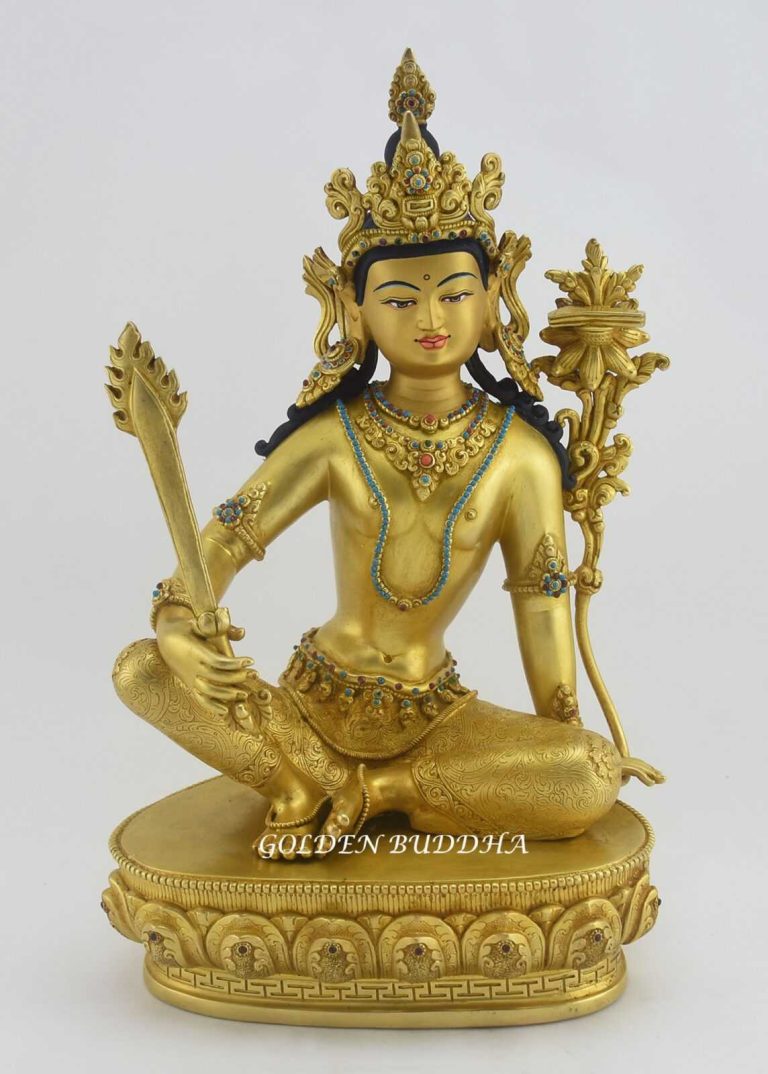
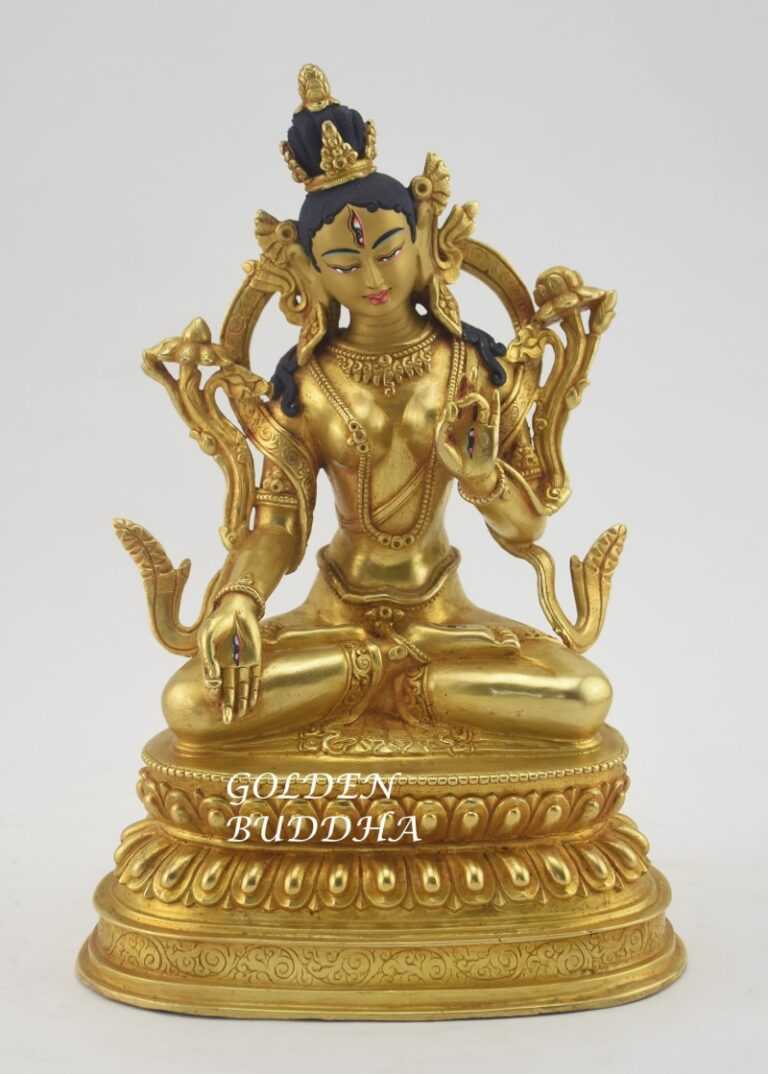
Color, posture, held objects, and ornamentation also contribute to the identity and meaning of a statue. A deep blue body identifies Medicine Buddha; a white body with seven eyes identifies White Tara; a flaming sword identifies Manjushri. Reading these visual elements correctly helps practitioners choose the right deity for their altar and understand the teaching embedded in each statue.
For this reason, we encourage customers to read the descriptions carefully and ask questions before choosing a statue. A Tibetan Buddha statue should be selected not only for beauty, but also for meaning, accuracy, and intended use. Our Buddha statue buyer’s guide covers every important question before you buy.
The history of Buddha statues is closely connected to the development of Buddhist texts, monastic practice, pilgrimage, and devotional art. Early Buddhist symbolism did not always portray the Buddha in human form. Instead, the Buddha was sometimes represented by an empty throne, footprints, the Bodhi tree, a riderless horse, or the Dharma wheel — symbols that allowed practitioners to contemplate the Buddha’s presence without a physical image. Learn more about what the historical Buddha really looked like and how this shaped Buddhist art.
Over time, sculptural representations of the Buddha became central to Buddhist practice and temple life. As Buddhism spread through India, Nepal, Tibet, China, Southeast Asia, and beyond, regional artistic styles developed. In the Himalayan world, sacred art became especially detailed — combining precise iconography with advanced metalwork, gilding, stone setting, painting, and ritual symbolism.
Tibetan Buddhist statues and thangka paintings have long served as supports for meditation, teaching, visualization practice, devotional offerings, and lineage transmission. Monks, teachers, and practitioners used sacred images to communicate the qualities of Buddhas, Bodhisattvas, wrathful protectors, and enlightened masters. This remains one of the reasons traditional Himalayan Buddhist art continues to hold spiritual, artistic, and cultural value today.
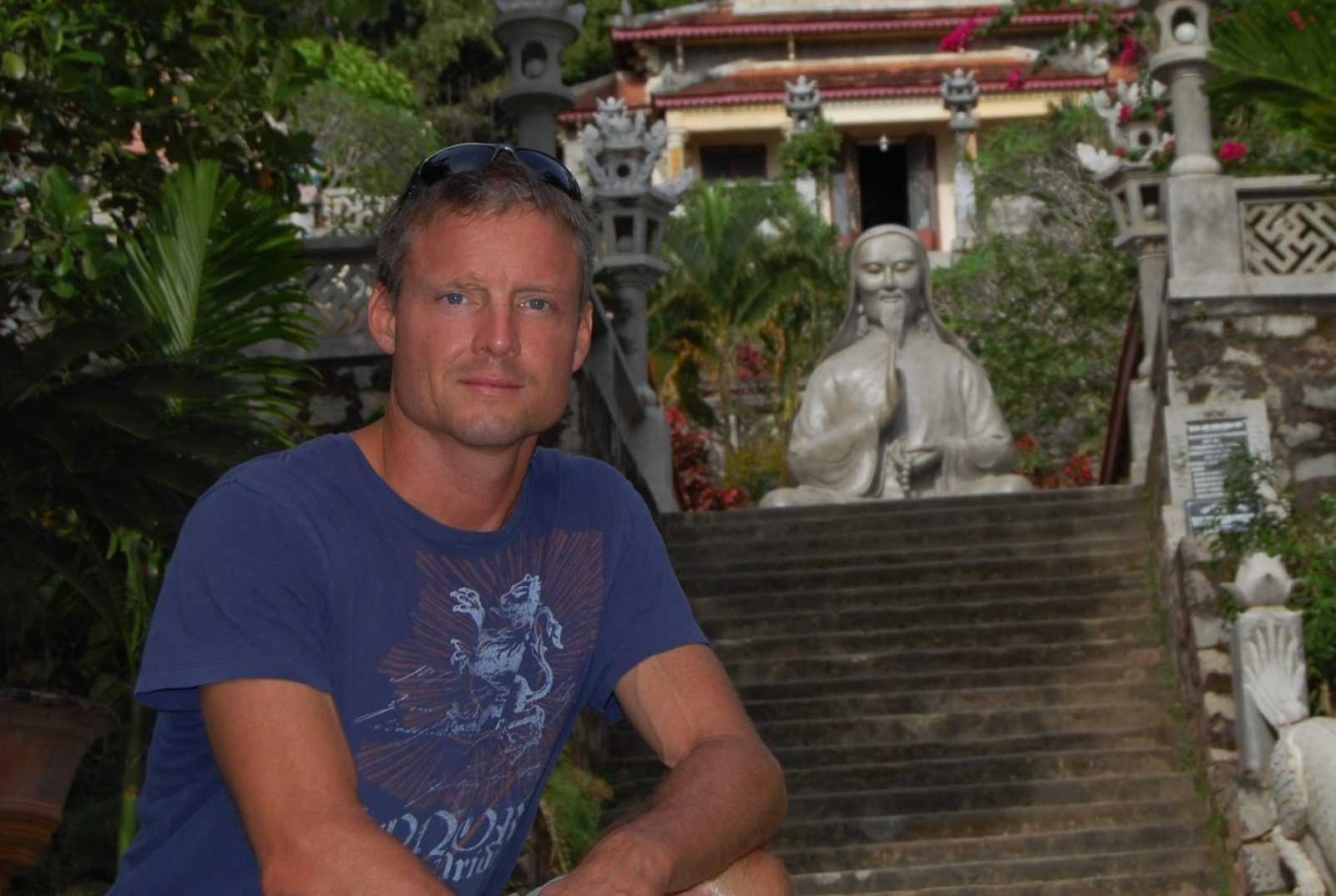
Golden Buddha is owned by Go Global Corporation PTE. LTD., a Singapore corporation. My inspiration for this website came from years of website development combined with extensive travel throughout Asia. During my travels, I was deeply impressed by Buddhist temples, monasteries, ritual art, and the quality of the sacred statues used in traditional practice. I wanted to understand where these pieces were made and how customers outside Asia could obtain authentic examples without language barriers, excessive travel costs, or uncertainty about quality.
After locating traditional sources of production in Nepal, Golden Buddha was developed to make authentic Tibetan Buddha statues, Tibetan Buddhist statues, thangkas, ritual items, and Himalayan Buddhist art available to customers worldwide. Our role is to connect customers with carefully selected pieces while providing clear descriptions, personal service, secure ordering, and reliable international shipping.
In addition to listed products, we also assist with custom statue creation and special requests when possible. If you are seeking a particular deity, size, finish, iconographic style, ritual item, or altar arrangement, you are welcome to contact us for guidance. Learn everything you need to know about authentic Tibetan Buddha statues and ritual items in Golden Buddha’s Buddha statues buyer’s guide.
The website is updated regularly as new pieces become available and sold items are replaced. Our long-term reputation depends on authenticity, consistency, careful communication, and respect for both customers and artisans. Golden Buddha is intended to be more than an online catalog; it is a resource for people seeking meaningful Buddhist art with genuine cultural and spiritual roots.
Authenticity is one of the most important differences between a traditional Buddhist statue and a mass-produced replica. Our handmade Buddha statues and ritual items are sourced from Nepal and are inspected before export according to local cultural and customs requirements. All statues are certified by the Department of Archaeology in Kathmandu before shipping. When applicable, export documentation or certification accompanies the shipment so customers can feel confident that the piece was sourced through proper channels.
Traditional standards include both craftsmanship and iconographic considerations. A high-quality statue should have balanced proportions, recognizable attributes, stable construction, appropriate finishing, and visual details that respect the deity being represented. This is especially important for Tibetan Buddhist statues, where small details such as mudra, implements, posture, crown, lotus base, facial expression, and ornamentation help identify the deity correctly.
Second-hand marketplaces and mass retail platforms may offer inexpensive Buddhist-looking décor, but these items often lack clear provenance, traditional materials, accurate iconography, or direct connection to the Himalayan artisan communities that preserve this work. Customers seeking a serious altar piece, meditation support, or collectible example of Himalayan Buddhist art should look for authenticity, craftsmanship, and reliable sourcing rather than price alone.
Our statues are intended to last for many years and, in many cases, can be passed from one generation to the next. Consecration service (rabne) at Sangye Choeling Monastery in Kathmandu is available upon request — formally activating the statue as a genuine object of refuge and devotional practice. By choosing authentic handmade work, customers help preserve the living tradition of lost wax sculpture, hand gilding, thangka painting, and sacred Himalayan craftsmanship.
Thank you and sincerely,
Edwin