
Vajrasattva Statues | Dorje Sempa — Handmade in Nepal
Explore our collection of authentic Vajrasattva statues, handcrafted in Patan, Nepal by master Himalayan artisans using the traditional lost wax casting method. These exceptional Tibetan Buddhist statues are created in fine copper with options including 24K gold fire gilding, hand-painted details, and antique finishes, offering collectors and practitioners museum-quality Himalayan Buddhist art.
Vajrasattva, known as Dorje Sempa in Tibetan Buddhism, is revered as the deity of purification, spiritual cleansing, and enlightened wisdom. A Vajrasattva statue is often chosen for meditation spaces, Buddhist shrines, monasteries, and sacred altars because of its deep symbolic connection to removing negative karma and cultivating clarity of mind. Traditional iconography depicts Vajrasattva holding the vajra and bell, representing the union of compassion and wisdom.
For centuries, our sculptors in Nepal have created sacred Buddhist statues for monasteries throughout the Himalayan region. Each Vajrasattva sculpture in this collection reflects authentic craftsmanship, spiritual significance, and meticulous hand-finishing. Whether you are seeking a devotional statue for Buddhist practice or a meaningful work of sacred art, choose your Vajrasattva statue from the collection below.
Related Bodhisattva Statues:
Green Tara Statues | Avalokiteshvara Statues | Manjushri Statues | Vajrapani Statues | White Tara Statues
Showing 1–12 of 21 resultsSorted by popularity
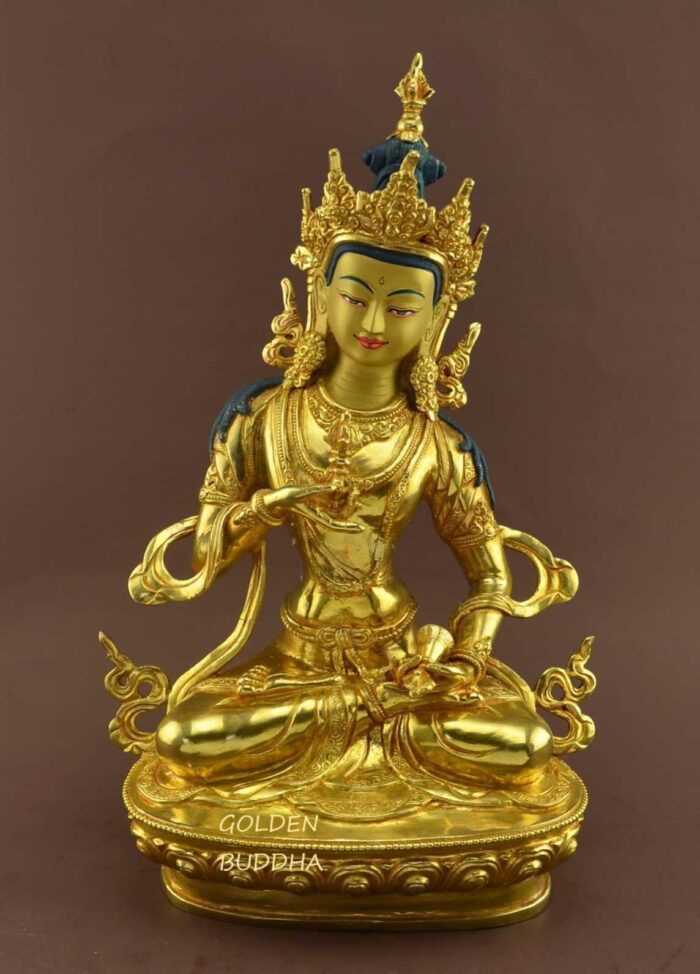
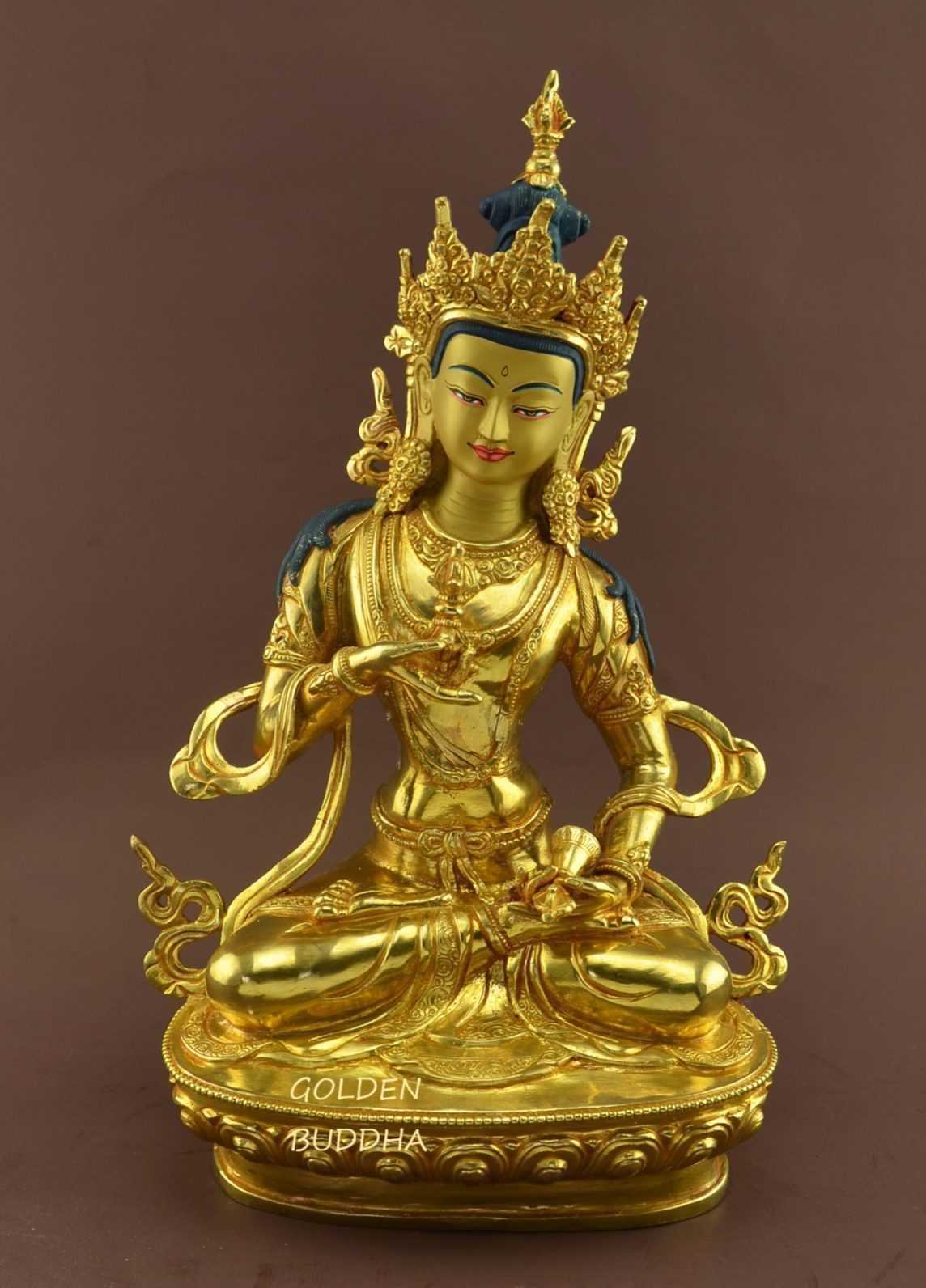
Vajrasattva Statue | 13.5″ | Fully Gilded 24K Gold | Authentic Nepal
Original price was: $1,899.00.$1,399.00Current price is: $1,399.00.Add to Cart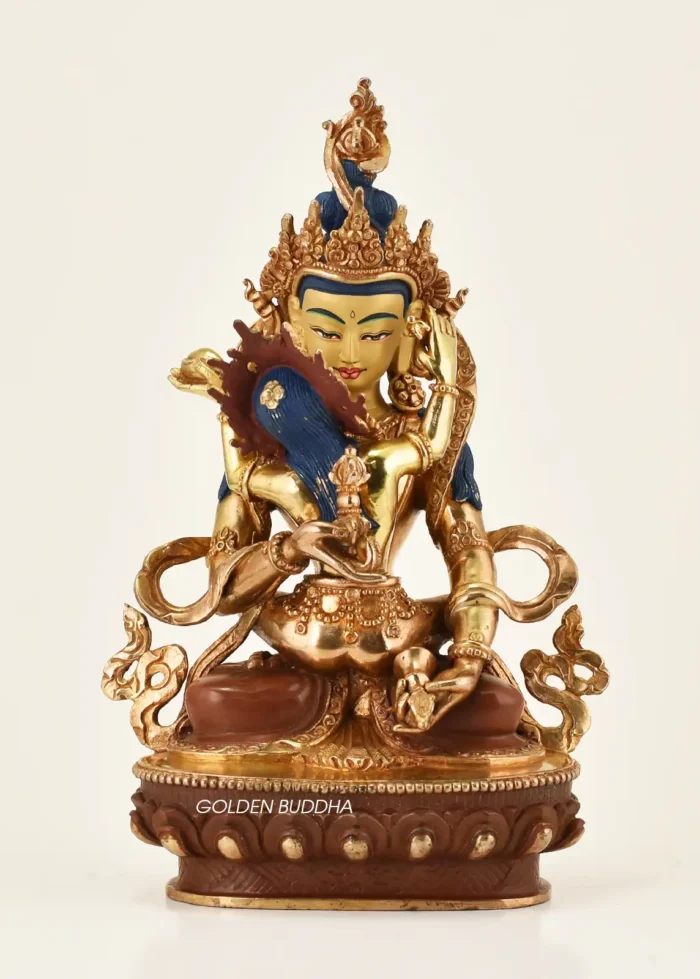
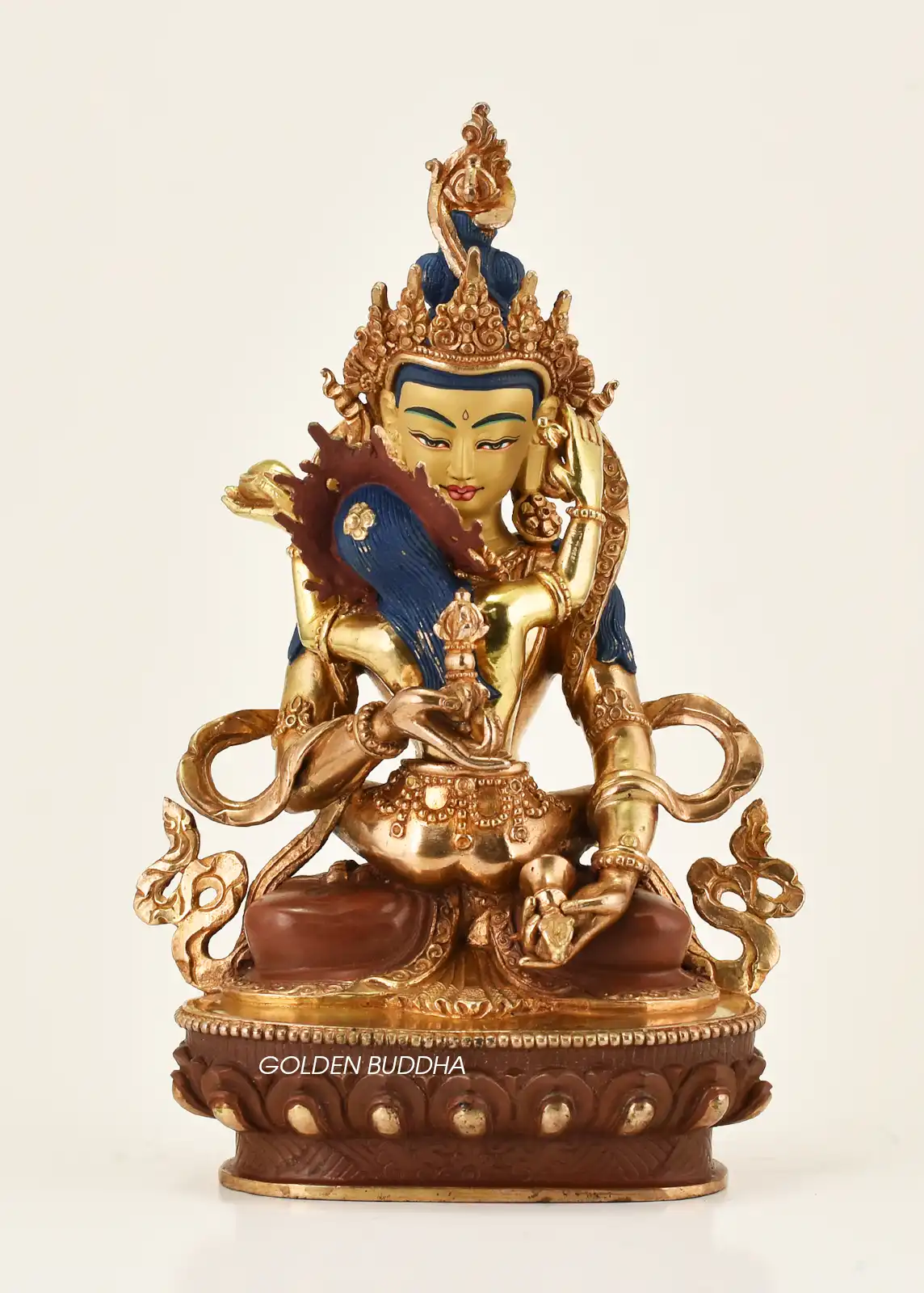
Vajrasattva Shakti Statue 9.75″ | Antiquated, 24K Gold | Yab Yum
Original price was: $1,399.00.$899.00Current price is: $899.00.Add to Cart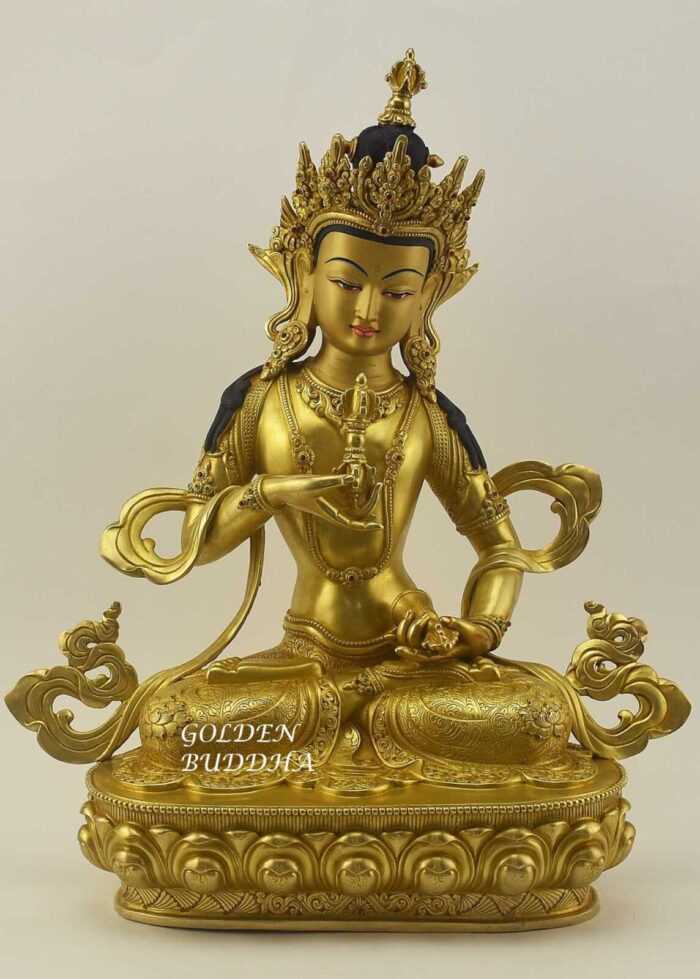
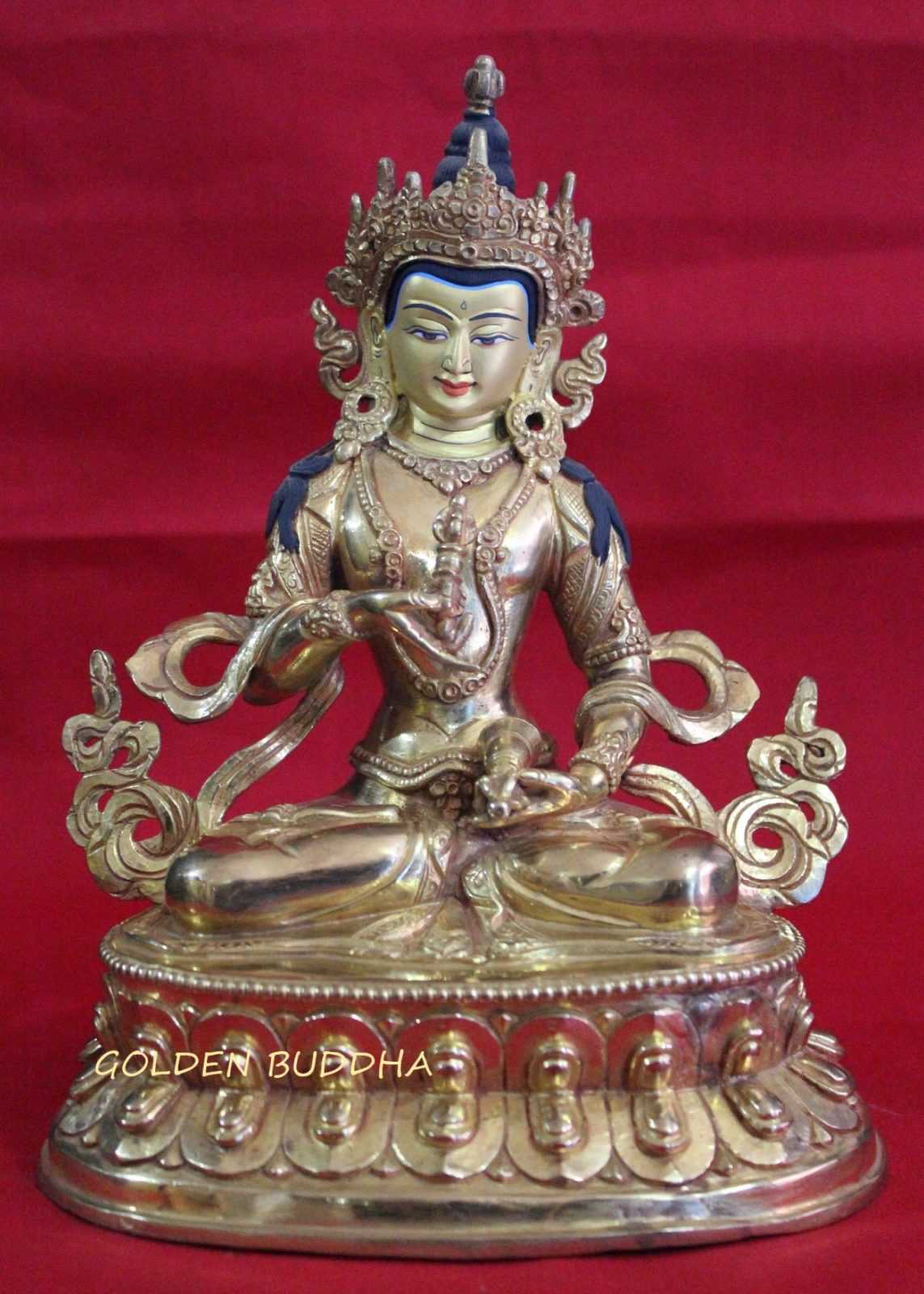
Gold Gilded Vajrasattva Statue | 14″ | Fire Gilded | Authentic Nepal
Original price was: $5,099.00.$3,699.00Current price is: $3,699.00.Add to Cart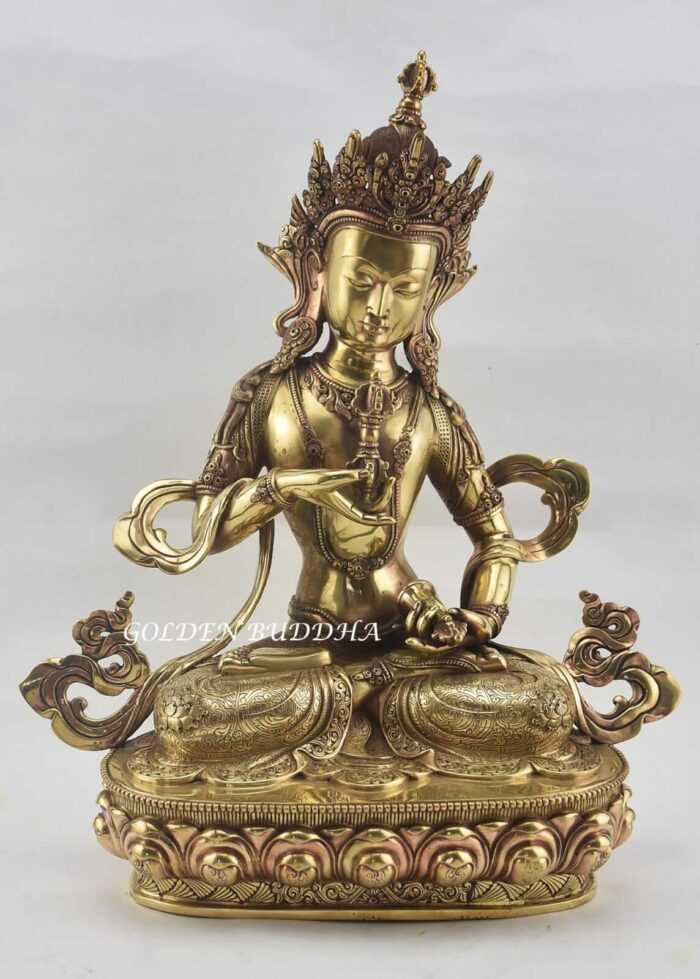
Vajrasattva Statue | 14″ | Copper Alloy | Authentic Nepal
Original price was: $5,099.00.$3,699.00Current price is: $3,699.00.Add to Cart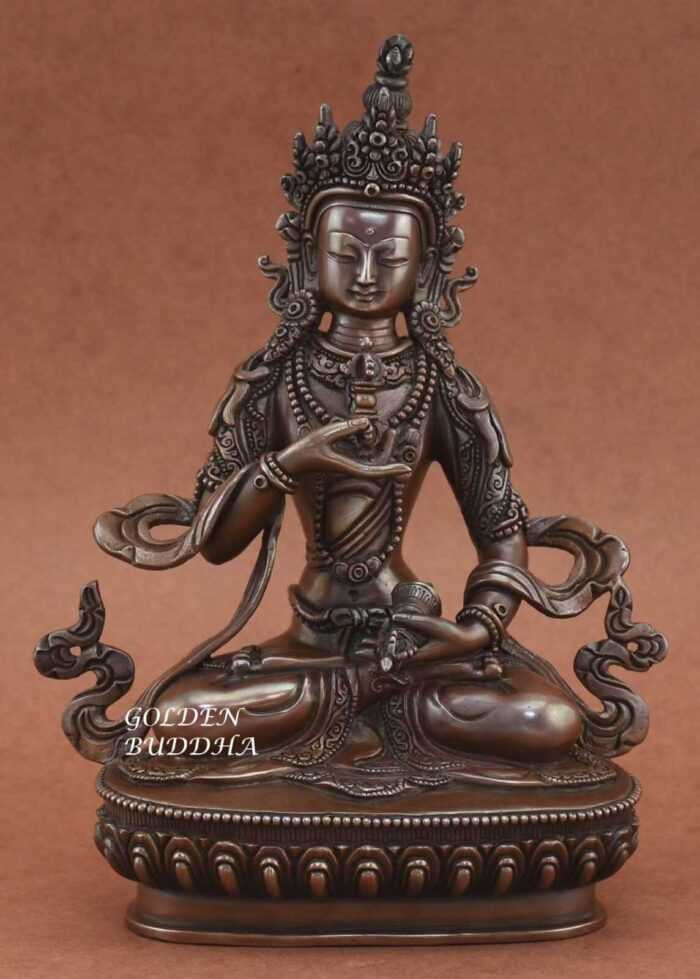
Oxidized Copper Vajrasattva Statue | 9-Inch Dorje Sempa | Patan, Nepal
Original price was: $899.00.$699.00Current price is: $699.00.Add to Cart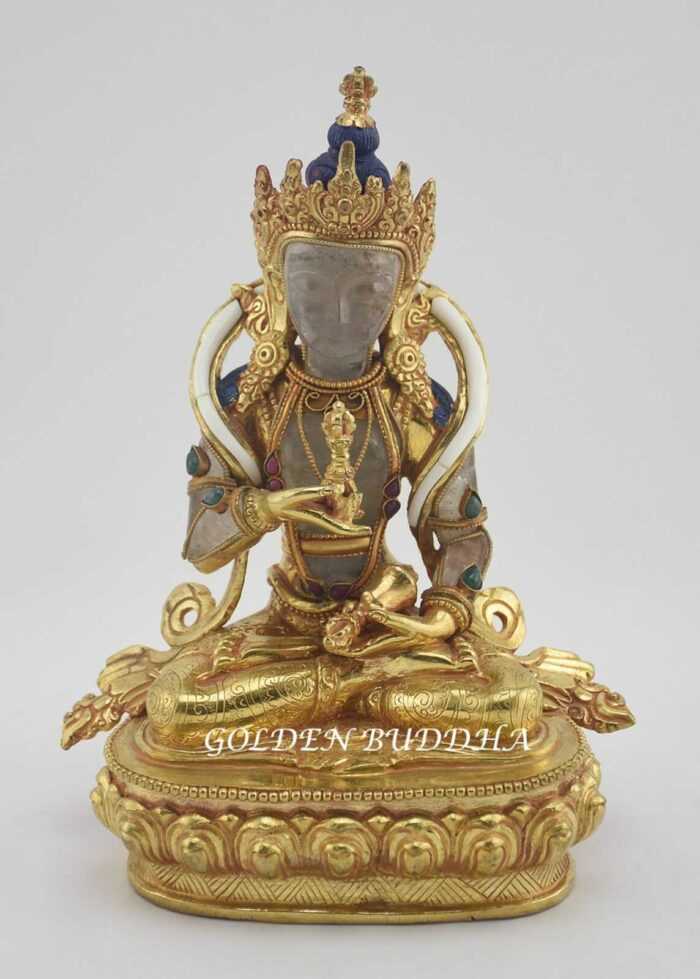
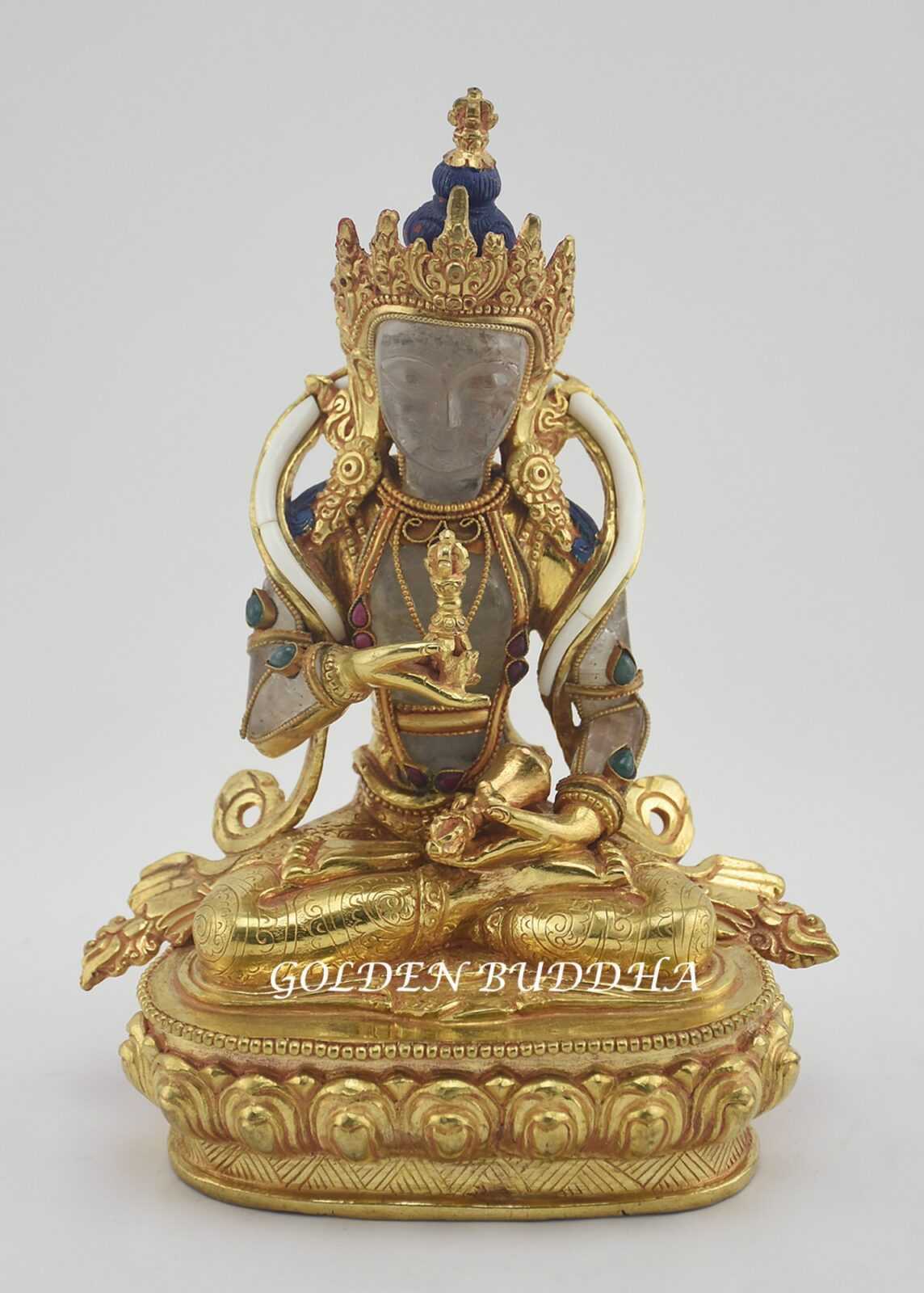
Nepali Vajrasattva Sculpture | 9″ | Crystal Body | 24K Gold | Nepal
Original price was: $2,099.00.$1,589.00Current price is: $1,589.00.Add to Cart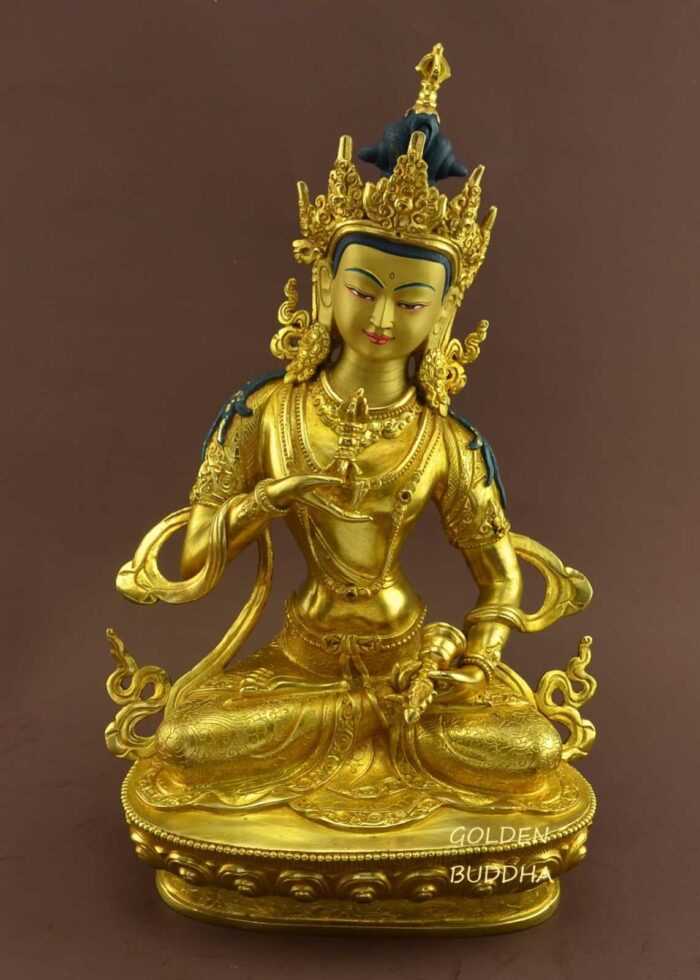
Vajrasattva Statue | 13″ | Fully 24K Gold Gilded | Authentic Nepal
Original price was: $1,699.00.$1,299.00Current price is: $1,299.00.Add to Cart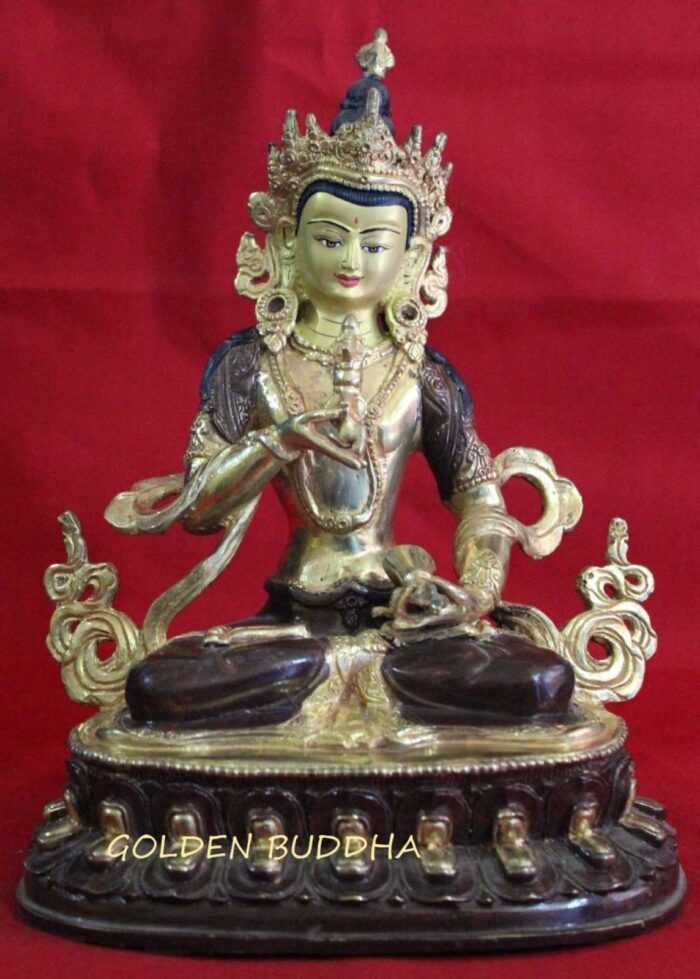
Vajrasattva Statue | 12″ | Partly Gilded 24K Gold | Authentic Nepal
Original price was: $1,099.00.$799.00Current price is: $799.00.Add to Cart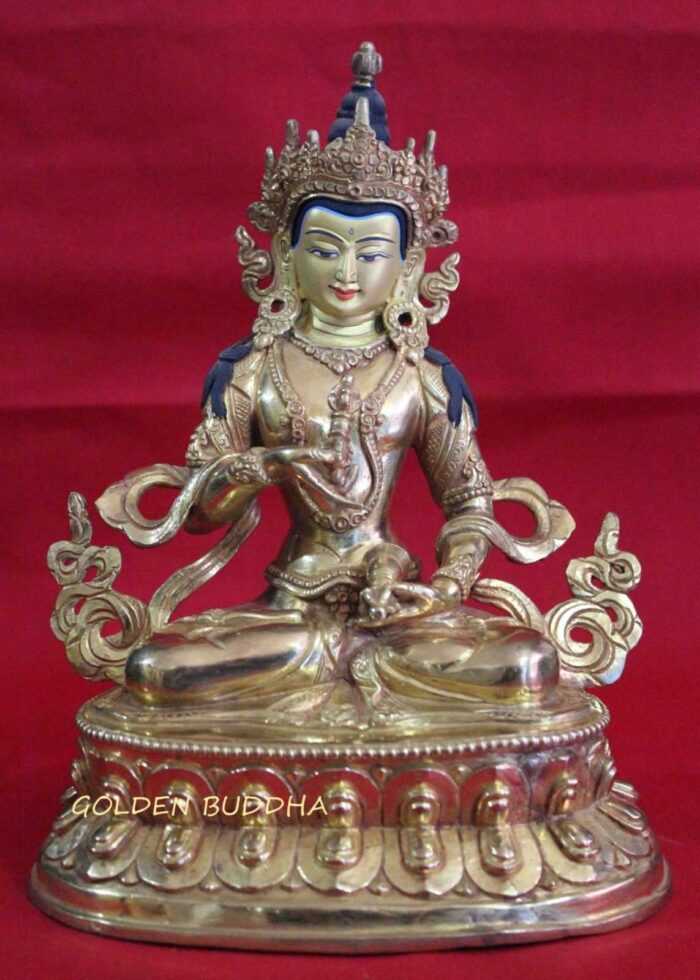
Vajrasattva Statue | 8″ | Fully 24K Gold Gilded | Authentic Nepal
Original price was: $1,099.00.$799.00Current price is: $799.00.Add to Cart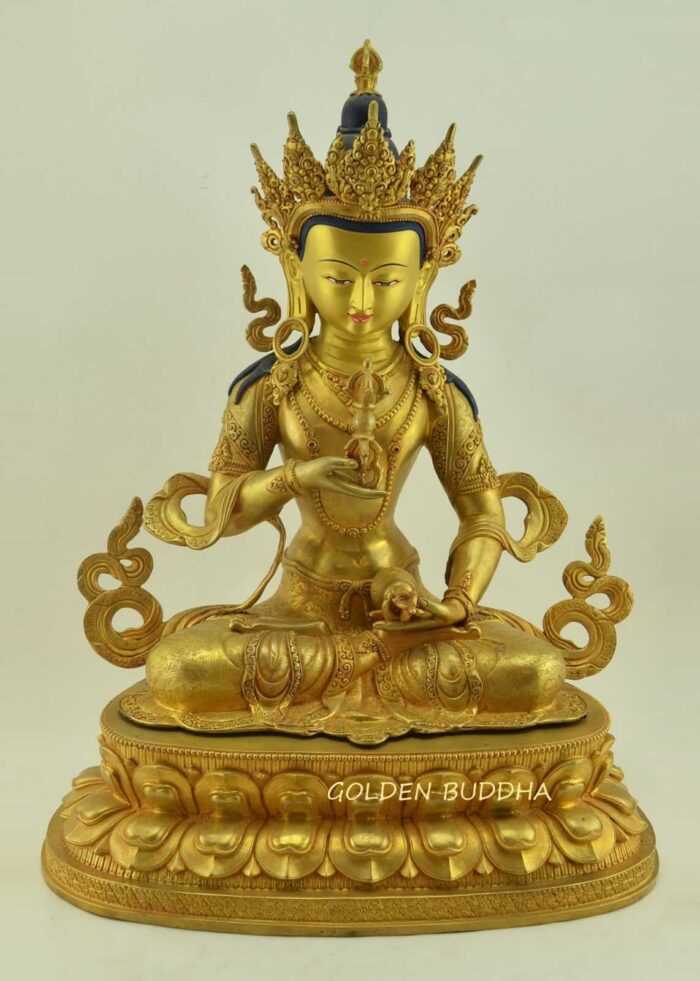
Tibetan Vajrasattva Statue 19″ | 24K Gold Gilded | Authentic Nepal
Original price was: $4,899.00.$3,489.00Current price is: $3,489.00.Add to Cart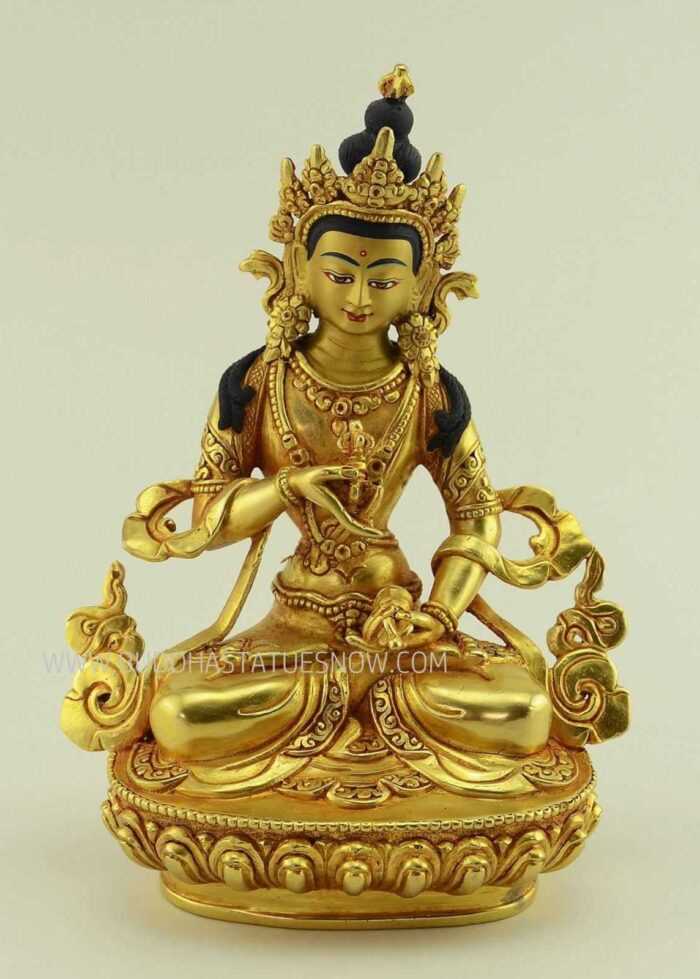
Vajrasattva Statue | 6″ | Fully Gilded 24K Gold | Authentic Nepal
Original price was: $1,299.00.$829.00Current price is: $829.00.Add to Cart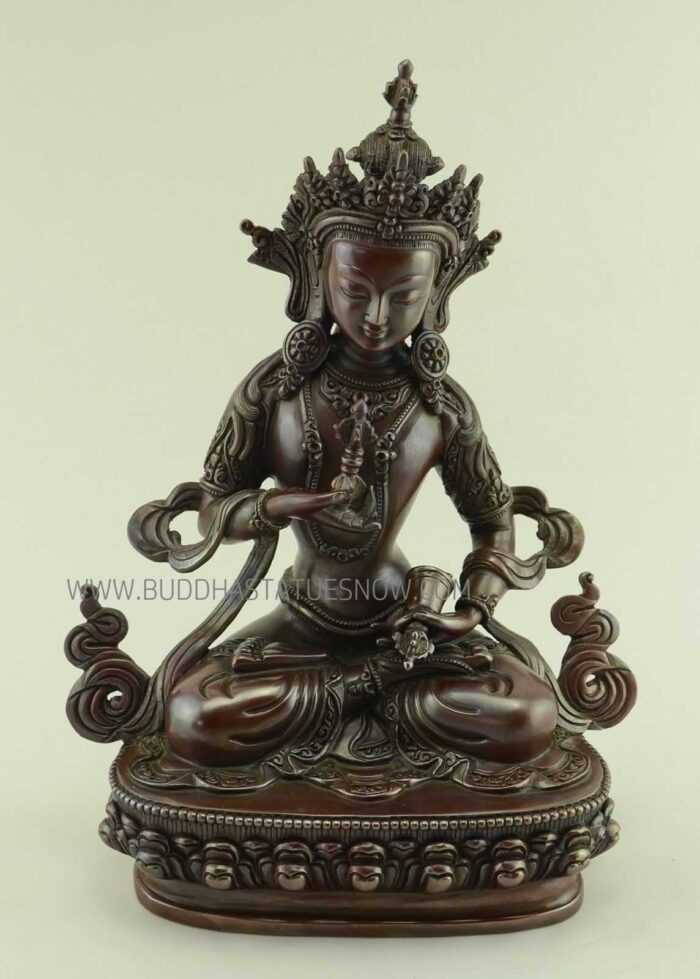
Antiquated Vajrasattva Statue | 9.75-Inch Oxidized | Dorje Sempa
Original price was: $1,399.00.$899.00Current price is: $899.00.Add to Cart





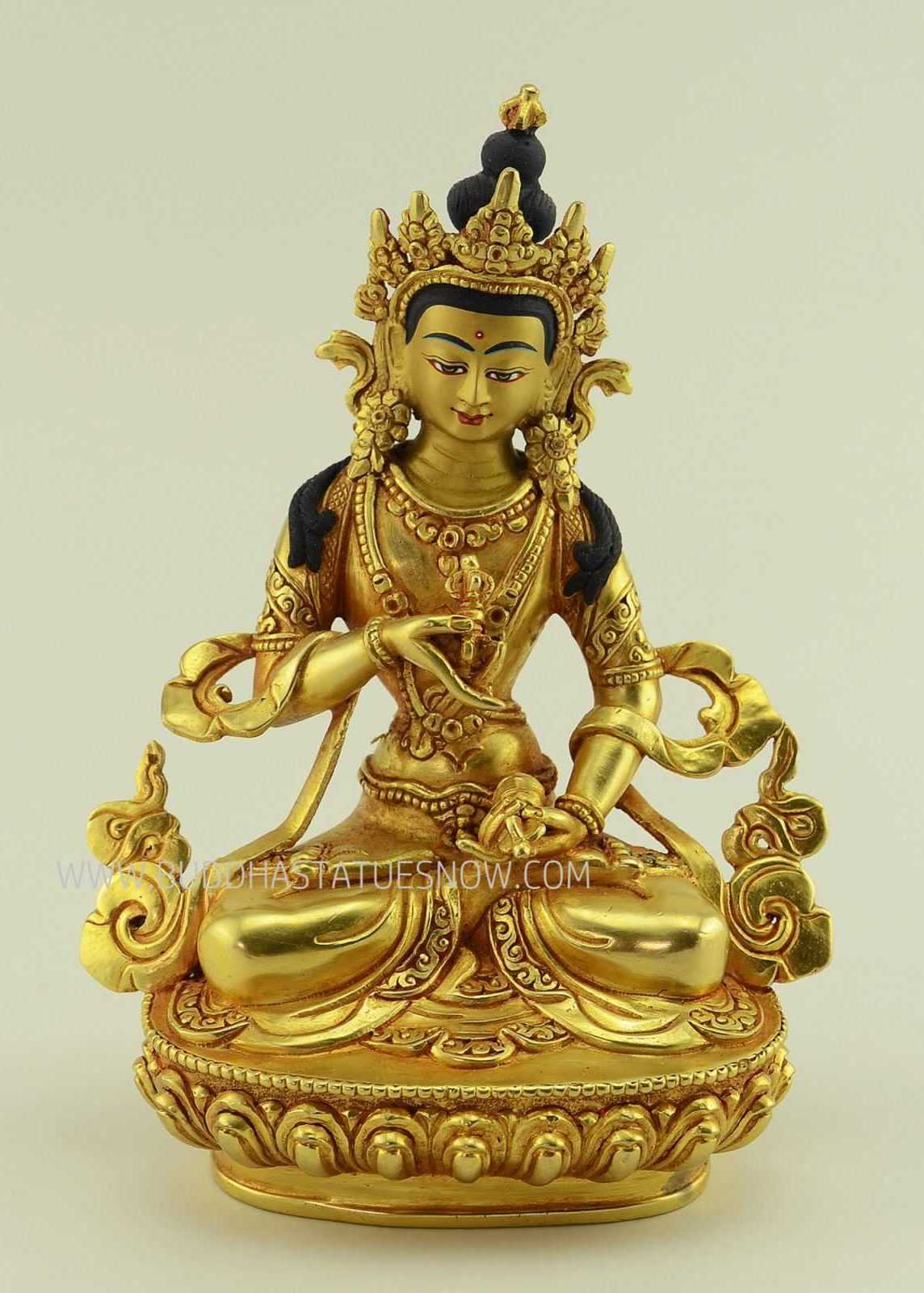
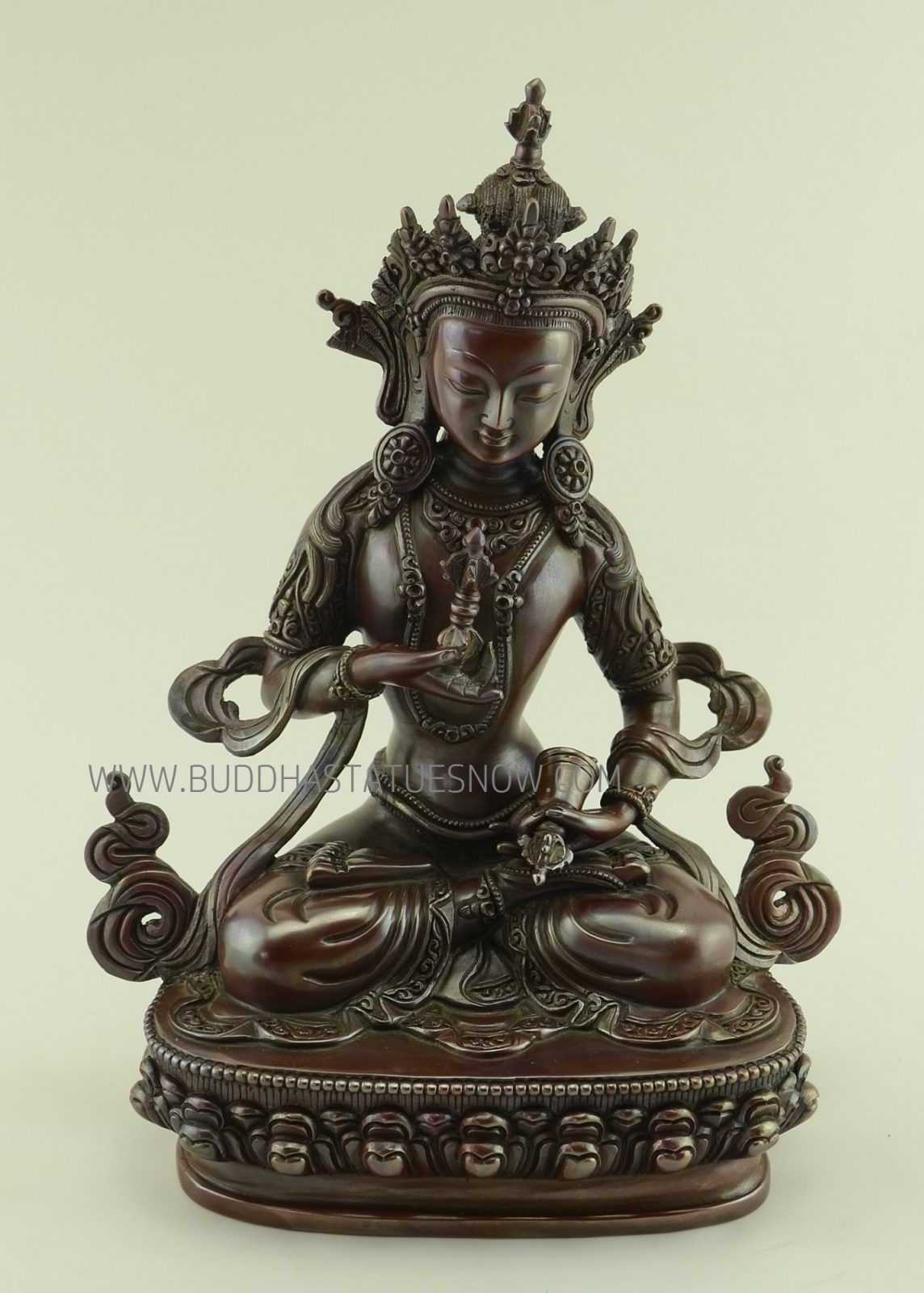
Vajrasattva Statue Symbolism and Meaning
Vajrasattva, known in Tibetan as Dorje Sempa, meaning "Vajra Being," is revered as the deity of purification, spiritual cleansing, and enlightened wisdom. His practice is one of the most widely used preliminary practices in Tibetan Buddhism, recited and visualized as a means of purifying negative karma and removing obscurations that stand in the way of spiritual progress.
Vajrasattva is typically depicted seated in meditation, crowned and adorned in the manner of a sambhogakaya, or celestial, figure, holding a vajra at his heart in his right hand and a bell resting on his hip in his left hand. The vajra represents skillful means and indestructible wisdom, while the bell represents wisdom itself, and together they symbolize the inseparable union of wisdom and compassionate method. Some statues depict Vajrasattva in union with his consort, often labeled as Vajrasattva Shakti, representing this same union in a different form. For a broader look at these symbols, see our guides to Buddha statue meaning and the Buddhist pantheon.
Materials, Sizes, and Finishes
Our Vajrasattva statues are handcrafted in Patan, in the Kathmandu Valley, using the traditional lost wax casting method practiced by Newari artisans for generations. Each piece begins as a wax model, cast in copper and then hand-finished, with the crown, jewelry, vajra, and bell carved or chased by hand, so no two statues are ever exactly alike.
Finishes vary by piece: many statues are fully or partly gold gilded using traditional fire gilding, where 24K gold is fused to the copper surface for a durable, rich finish, often paired with hand face painting; some feature crystal bodies set with semi-precious stones for a particularly luminous appearance; and others are left with a natural oxidized or antiqued copper finish for a more understated, aged look.
Sizes in our collection range from compact statues around 6 inches, suitable for a small altar or purification practice space, up to larger pieces of 19 inches and more, intended as a centerpiece for a shrine room or Dharma center.
Frequently Asked Questions
What does Vajrasattva represent?
Vajrasattva, known in Tibetan as Dorje Sempa, is revered as the deity of purification and spiritual cleansing. His practice is one of the most widely used preliminary practices in Tibetan Buddhism, focused on purifying negative karma, removing obscurations, and cultivating clarity of mind as a foundation for further spiritual development.
What do the vajra and bell symbolize?
Vajrasattva is traditionally shown holding a vajra at his heart in his right hand and a bell resting on his hip in his left hand. The vajra represents skillful means and indestructible wisdom, while the bell represents wisdom itself and the sound of emptiness. Together, these two implements represent the inseparable union of wisdom and compassionate method.
What does "Dorje Sempa" mean?
Dorje Sempa is the Tibetan name for Vajrasattva, meaning 'Vajra Being' or 'Vajra Mind.' You may see this name used on some statue listings, and it refers to the same deity associated with purification practice.
What's the difference between Vajrasattva and Vajrapani?
Despite the similar names, Vajrasattva and Vajrapani are different figures with different roles. Vajrasattva is a peaceful, crowned figure associated with purification, typically shown seated in meditation holding a vajra and bell. Vajrapani is a wrathful Bodhisattva associated with power and the removal of obstacles, typically shown surrounded by flames holding a raised vajra. Both names share the word "vajra," meaning indestructible, but represent distinct practices.
Are these Vajrasattva statues authentic and certified?
Yes. Every Vajrasattva statue in this collection is handmade in Patan, Nepal, using traditional lost wax casting and 24K fire gilding. Statues include a certificate of authenticity verifying materials, technique, and origin.
How do I choose the right size for my altar?
For a personal altar or purification practice space, statues in the 6-9 inch range are common. For a temple, Dharma center, or shared shrine room, larger statues of 13 inches and above are often chosen as a focal point.